
Views: 0 Author: Site Editor Publish Time: 2025-09-15 Origin: Site


Corrosion is one of the most persistent challenges faced by manufacturers across industries. Metal components are prone to deterioration when exposed to moisture, oxygen, and other environmental factors, leading to rust, reduced structural integrity, and compromised functionality. Preventing corrosion is essential not only to maintain the longevity of metal parts but also to ensure operational efficiency, reduce maintenance costs, and avoid unexpected downtime.
VCI (Volatile Corrosion Inhibitor) masterbatch has emerged as a practical solution for integrating corrosion protection directly into plastic products. Unlike traditional methods such as oil coatings, sprays, or powders, VCI masterbatch embeds corrosion inhibitors within the plastic itself. This approach enables plastic films, molded trays, and packaging materials to actively protect metal components from corrosion during storage, transit, and handling. Choosing the right VCI masterbatch is critical for achieving effective protection and meeting specific manufacturing needs. This article explores the factors involved in selecting the appropriate VCI masterbatch, its mechanisms, applications, and practical considerations for manufacturers.
VCI masterbatch is a concentrated mixture of corrosion inhibitors encapsulated in a polymer carrier. During plastic processing, the masterbatch is blended with raw polymer pellets to produce films, bags, or molded products containing active VCI molecules. These molecules slowly migrate to the surface of the plastic or volatilize into the surrounding environment, forming a protective barrier on adjacent metal components.
This protective mechanism ensures that metal parts are shielded from moisture, oxygen, and other corrosive elements without requiring additional coatings or chemical treatments. VCI masterbatch provides an inherent corrosion protection feature within plastic packaging or molded products, simplifying processes while enhancing reliability.
VCI masterbatch works primarily through volatilization and adsorption. The embedded VCI molecules gradually release vapors that diffuse through the air inside packaging or around metal components. When these molecules come into contact with the metal surface, they adsorb and form a microscopic, invisible protective layer.
This layer acts as a barrier, preventing water, oxygen, and corrosive substances from interacting with the metal. Some VCI formulations also neutralize acidic or aggressive elements in the surrounding environment, further reducing the risk of corrosion. Because the VCI is integrated into the plastic, it provides long-lasting, continuous protection and does not interfere with the appearance, functionality, or downstream processing of the metal parts.
Selecting the right VCI masterbatch involves evaluating several key factors to ensure effective corrosion protection while meeting manufacturing requirements:
Different metals have varying susceptibilities to corrosion. Steel, iron, copper, aluminum, and zinc each respond differently to corrosive environments. Some VCI masterbatches are formulated specifically for a single metal type, providing targeted protection. Others are multi-metal formulations capable of protecting multiple metals simultaneously. Understanding the composition of your metal components is critical for selecting an effective masterbatch.
VCI masterbatch can be used with different plastic processing methods, including extrusion, injection molding, and film blowing. Selecting a masterbatch compatible with the specific polymer and processing conditions ensures uniform distribution of VCI molecules and consistent protective performance. Temperature stability, melt flow properties, and polymer compatibility are important considerations.
VCI masterbatches are available for various polymer types, including polyethylene (PE), polypropylene (PP), and polyvinyl chloride (PVC). The choice of polymer depends on the intended application, mechanical properties required, and environmental conditions during storage or transportation. For example, high-density polyethylene films are ideal for heavy-duty packaging, while polypropylene trays may be used for molded protective inserts.
VCI masterbatch protection relies on vapor-phase action. Therefore, the storage and handling environment of the packaged metal components affects effectiveness. High humidity, temperature fluctuations, or prolonged storage periods may require masterbatches with enhanced VCI concentration or slower release rates. Understanding the operational environment helps in selecting the right formulation and dosage.
The required duration of corrosion protection influences the choice of masterbatch. Some applications may require short-term protection during transit, while others need long-term protection during warehouse storage or multi-week shipping. Masterbatches with controlled-release VCI compounds provide tailored protection periods to match operational needs.
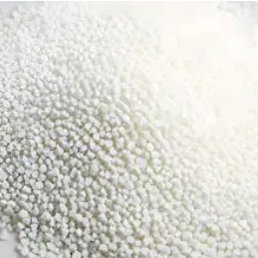
VCI masterbatches are formulated to suit various industrial needs. Some common types include:
Single-Metal Masterbatch – Designed to protect a specific metal, such as carbon steel or copper. Provides targeted corrosion protection for applications where only one metal type is used.
Multi-Metal Masterbatch – Capable of protecting multiple metals simultaneously, ideal for manufacturing lines or packaging where different metal parts are combined.
High-Concentration Masterbatch – Contains a higher percentage of VCI compounds for extended protection or challenging environments, such as high humidity, salt exposure, or long-term storage.
Low-Residue Masterbatch – Engineered to release VCI vapors without leaving any residue on metal surfaces, making it suitable for precision components, electronics, or parts requiring additional finishing.
Custom Formulations – Some manufacturers provide custom VCI masterbatches tailored to specific metals, polymers, and environmental conditions, ensuring optimal protection for specialized applications.
VCI masterbatch has a wide range of industrial applications due to its versatility and effectiveness:
Plastic films, trays, and inserts made with VCI masterbatch are used to protect engine components, transmission parts, and chassis elements during storage or transit. This prevents corrosion before assembly, ensuring high-quality components arrive at manufacturing lines ready for use.
VCI masterbatch is used in packaging films, molded trays, and enclosures for electronic components. This prevents corrosion on connectors, pins, housings, and other metal parts without leaving residues that could interfere with conductivity or assembly.
Industrial tools, spare parts, and precision machinery often require long-term protection during storage or shipment. VCI masterbatch in plastic packaging materials ensures continuous protection against moisture and contaminants.
Steel sheets, aluminum profiles, and fabricated components benefit from VCI masterbatch-based films or molded products during warehouse storage, bulk shipments, or on-site handling. This reduces the risk of rust and protects investment in high-value metal materials.
Metal components in appliances, hardware, and tools can be packaged in VCI masterbatch-containing plastic products, ensuring they remain corrosion-free until they reach end-users. This enhances product reliability and reduces warranty claims.
To maximize corrosion protection, manufacturers should follow several best practices:
Ensure Clean Surfaces: Metal components should be free of grease, dirt, or moisture before packaging or molding with VCI masterbatch.
Use Correct Dosage: Proper masterbatch concentration ensures sufficient VCI release for effective protection. Overuse may affect plastic properties, while underuse may reduce effectiveness.
Choose Appropriate Plastic Type: Ensure compatibility between the polymer and masterbatch to maintain mechanical properties and VCI performance.
Seal or Enclose Packaging: Properly sealing films or containers enhances the vapor-phase environment, prolonging protection.
Monitor Storage Conditions: Inspect stored components periodically, particularly in high-humidity or temperature-variable environments, to maintain effective corrosion protection.
Compared to traditional corrosion protection approaches, VCI masterbatch offers several advantages:
Integrated Protection: No additional coatings, oils, or powders are required.
Residue-Free: Ensures clean surfaces for downstream processing or assembly.
Uniform Coverage: Vapor-phase protection reaches hidden surfaces, recesses, and internal cavities.
Cost-Effective: Reduces labor, material, and maintenance costs.
Versatile: Suitable for a wide range of metals, polymers, and industrial applications.
Choosing the right VCI masterbatch is critical to ensuring effective corrosion protection for metal components in manufacturing, storage, and shipping. By considering factors such as metal type, polymer compatibility, environmental conditions, and protection duration, manufacturers can select the most suitable masterbatch formulation. VCI masterbatch integrates corrosion inhibitors directly into plastic products, offering residue-free, long-lasting protection and simplifying traditional corrosion prevention workflows.
With versatile applications across automotive, electronics, industrial machinery, metal fabrication, and consumer goods, VCI masterbatch provides a modern, cost-effective solution for industrial corrosion protection. Companies such as VCI EP NEW MATERIALS (SHANGHAI) CO., LTD. are at the forefront of producing high-quality VCI masterbatch solutions, helping manufacturers safeguard metal components efficiently while optimizing production processes.


