

Visit VCI+ at Booth A202 during PackPlus India 2026 to explore VCI paper, VCI film, VCI bags, heat shrink film, and VCI desiccant samples.

Prevent metal rust during transit. Compare VCI paper vs. VCI bags to choose the best corrosion protection for your parts and supply chain.

Discover how VCI paper prevents metal rust without messy oils. Protect your parts with active, residue-free corrosion protection during transit.

Prevent transit rust without messy oils. Learn how VCI bags protect metal parts from corrosion and slash labor costs in your supply chain.
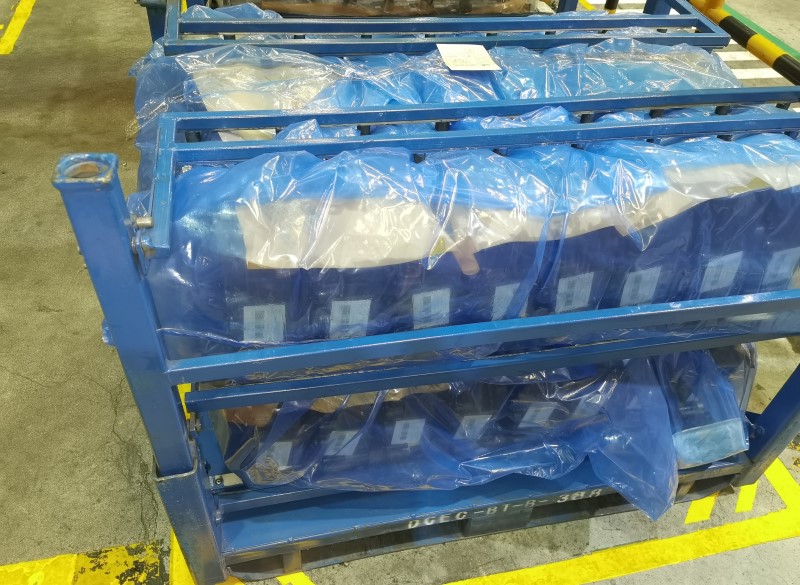
Protect metal parts from rust during global transit. VCI bags eliminate messy oils, cut labor costs, and ensure immediate part readiness.

Compare VCI packaging vs. traditional rust oils. Learn how vapor technology protects metal parts, cuts labor, and prevents shipping corrosion.

Protect high-value metal parts from rust. Learn how to select the perfect VCI packaging, match metallurgy, and ensure zero-corrosion shipping.

VCI+ recently participated in the 2026 Philippines International Offshore Wind Exhibition in Manila, where the company presented its anti-corrosion packaging materials and full-cycle protection solutions for the offshore wind industry.As offshore wind projects continue to expand in Southeast Asia an

For large electrical equipment, packaging is not only used to cover the product during shipment. It directly affects whether the equipment can remain dry, clean, and corrosion-free before installation. This is especially true for dry-type transformers, power equipment, large metal assemblies, and ex


