
Views: 0 Author: Site Editor Publish Time: 2026-04-21 Origin: Site


Walk onto almost any facility floor. You will likely notice a persistent confusion regarding Volatile Corrosion Inhibitor packaging protocols. Teams constantly debate the exact differences between "closed," "sealed," and "vacuum-sealed" storage parameters.
Improper closure remains the leading cause of protective failure in the field. Facility managers often either under-seal a package, allowing valuable protective vapors to escape directly into the room. Conversely, some engineering teams over-engineer the process by vacuum-sealing. This active removal of air damages the carefully designed chemical environment.
To achieve the promised one-to-five-year shelf life, you must seal your vci bag to establish a stable chemical equilibrium. However, you must carefully retain the ambient air inside as a natural delivery system. We will explore the physics of these vapors, correct common vacuuming myths, and detail verified methods to ensure maximum metal protection.
Sealing is mandatory: VCI bags must be sealed to trap protective vapors and block continuous external moisture/oxygen exchange.
Do not vacuum seal: Removing air removes the "delivery vehicle" for VCI molecules and creates negative pressure that forces residual moisture directly against metal surfaces.
Heat sealing vs. mechanical sealing: Heat sealing provides maximum protection for high-humidity or export scenarios, while taping or zip-tying is sufficient for standard indoor storage (provided staple holes are taped over).
Temperature acclimation is critical: Parts must reach room temperature before sealing to prevent flash rust caused by internal condensation.
Unsealed packaging leads directly to unpredictable rust rates. Product rejection rises sharply. Compliance for long-term storage fails. We must first understand how these active molecules behave within an enclosed space to correct these operational failures.
Volatile corrosion inhibitors do not work like traditional rust-preventative oils. They rely entirely on vapor-phase chemistry. The process follows a distinct physical cycle inside a sealed package:
The plastic film slowly releases active protective molecules into the trapped air.
These molecules vaporize and saturate the enclosed space until they reach an equilibrium.
They then condense into a microscopic, temporary barrier directly on the metal surface.
This invisible layer physically interrupts the electrochemical corrosion cycle.
Leaving the bag open destroys this delicate mechanism. If you do not secure the opening, the protective gas continuously dissipates into the broader facility atmosphere. The packaging acts like an open perfume bottle. It will eventually exhaust its chemical payload entirely. Your expensive metal components will sit unprotected.
Properly sealed bags offer a unique advantage over oils or paints. They forgive brief physical openings. You can unseal a package for a quick quality inspection. Once you reseal it, the vapor safely re-establishes a new equilibrium. The film releases more molecules to replace any lost gas. It protects the enclosed environment again automatically.
Many packaging engineers mistakenly apply food-grade vacuum sealing logic to industrial metal protection. This represents a massive implementation risk. Treating metal components like perishable food creates an anti-pattern.
These specialized molecules require a specific volume of air to function. Air acts as the primary delivery system. It circulates the chemistry deeply into complex geometries. The vapors must reach hidden recesses, fine threads, and internal cavities. Vacuuming collapses the film tightly against the outer geometry. This entirely prevents vapor phase action from reaching those hard-to-coat internal areas.
Pulling a hard vacuum creates intense negative pressure. This mechanical force generates a secondary threat known as the squeeze effect. It forces any residual ambient moisture or micro-condensation tightly against the bare metal surface. You trap water droplets directly against the substrate. This accelerates rapid localized corrosion instead of preventing it.
Parameter | Standard Sealed Closure | Vacuum Sealed Closure |
|---|---|---|
Air Volume | Retained naturally | Removed entirely |
Vapor Mobility | Excellent (reaches all cavities) | Poor (blocked by collapsed film) |
Moisture Impact | Vapors neutralize ambient humidity | Squeeze effect traps water against metal |
Resulting Protection | Optimal 1-to-5-year shelf life | High risk of localized flash rust |
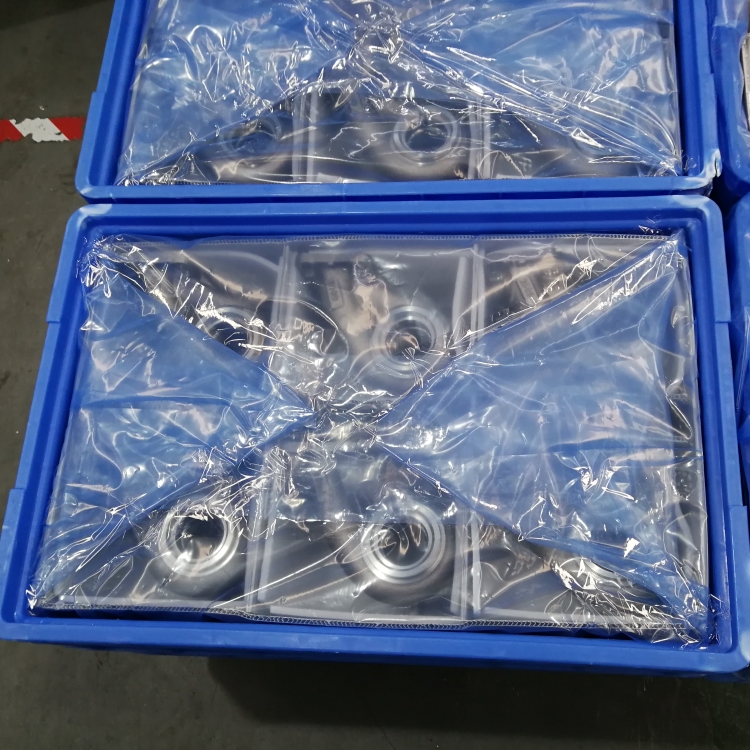
You must select the correct closure method based on your storage timeline and shipping environment. We evaluate four primary techniques below.
This technique delivers the highest possible barrier integrity. We highly recommend heat sealing for maritime export operations. It excels during long-term warehousing. You should also choose this method when facing severe environmental humidity fluctuations. An impulse sealer melts the polymer layers together, completely preventing accidental vapor loss.
This lightweight approach proves sufficient for domestic transit. It works perfectly for short-term indoor storage. You must follow a strict execution rule. Fold the opening downward in a "waterfall" style. This orientation prevents condensation or warehouse drips from pooling inside the crevices. Secure the fold tightly using wide industrial packaging tape.
Zip ties work exceptionally well for bulky items. They offer great utility for large VCI Packaging Bags featuring expanding gussets. You must execute this carefully. Once you cinch the zip tie tightly, examine the top. You must fold down any excess bunched material. Tape this excess section flat. This eliminates microscopic air channels hidden within the plastic folds.
We generally discourage stapling. Metal staples puncture the barrier. They create dozens of tiny escape routes for your protective gas. However, many facilities still use them due to speed. If operatives insist on using staples, they must apply heavy tape completely over every single staple hole. This secondary step prevents moisture intrusion and stops vapor leakage.
Closing the package represents only the final step. Preparing the metal component beforehand dictates your overall success rate. Implementing strict pre-sealing standard operating procedures prevents catastrophic flash rust.
Hot parts fresh from the manufacturing line pose a severe risk. You cannot seal them immediately. They must cool completely to ambient room temperature. This acclimation period usually takes one to two days. Leave the protective bag loosely open during this cooling phase. Sealing hot parts traps radiant heat. As the internal air cools eventually, it drops below the dew point. Heavy condensation forms inside. This phenomenon leads to immediate, severe flash rust.
Never allow bare metal parts to contact highly acidic organic materials directly. Keep them separated from standard corrugated cardboard boxes. Avoid resting them on bare wooden pallets inside the sealed environment. Wood and standard paper release corrosive acids over time. Use flexible gusset bags as an isolating inner liner. This isolates the metal from acidic threats while providing vapor protection.
You must require operatives to wear clean nitrile or cotton gloves. Bare hands transfer dangerous contaminants. Human sweat contains sodium chloride, lactic acid, and urea. These aggressive compounds initiate localized corrosion almost instantly. The chemical damage often begins before the slower vapor has time to form a protective barrier.
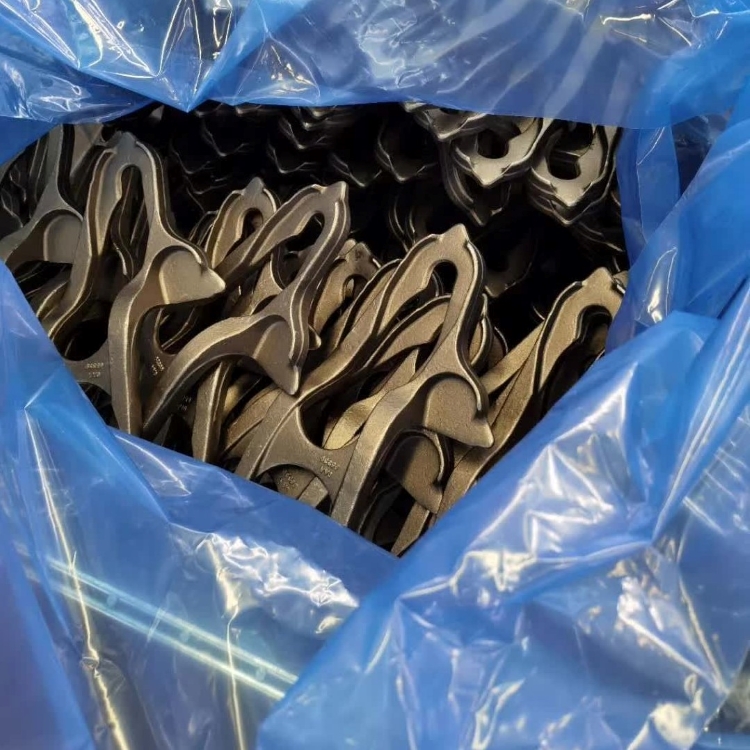
Scaling these protocols for global logistics introduces new challenges. Protecting massive equipment requires layered strategies. Managing your consumable packaging inventory properly prevents chemical degradation.
Massive industrial machinery demands special attention. Simply sealing the outer protective layer is never enough. The internal volume of large equipment remains too vast. External vapors cannot penetrate deeply enough to protect internal gearboxes. You must address these hollow spaces actively. Place specialty powder or treated paper directly inside internal pipes and deep cavities. Complete this internal dosing before you apply the final outer heat seal.
Extreme export conditions often involve unpredictable ocean transit. Standard plastics sometimes struggle alone against massive temperature swings. You can supplement standard films securely. Add industrial desiccant packs to the enclosure. Alternatively, layer treated paper inside the void spaces. The paper acts as a dual-action asset. It releases rust inhibitors while simultaneously absorbing excess ambient moisture.
Your protective packaging loses efficacy if poorly stored. Unused rolls or unsealed bags must stay protected. Keep them secured inside their original manufacturer packaging. Seal them carefully between production shifts. If a film or paper roll sits entirely exposed to ambient plant air for more than 24 hours, the top layers actively lose their chemical payload. You must discard those exhausted top layers before wrapping any actual parts.
Proper closure dictates the success of your corrosion prevention strategy. VCI bags must be securely closed to function correctly. Achieving an airtight seal locks in the required equilibrium, but it absolutely does not necessitate a vacuum.
Audit your facility's current packaging line this week. Ensure machine operators strictly follow the 24-hour temperature acclimation rule. Choose the right closure method based on your logistics timeline. Mandate heat seals for maritime export. Rely on proper tape or zip-ties for simple domestic transit. Most importantly, train your team to utilize the trapped ambient air as an asset, not an enemy.
A: Yes. VCI gases are self-healing. Upon resealing, the remaining chemicals will vaporize to replace lost gas and re-establish the protective equilibrium. Minimize the time the bag is open to preserve the lifespan.
A: No. Leave the natural air inside the bag. The air acts as the carrier that transports VCI molecules to the metal's surface.
A: Properly sealed VCI plastic bags typically provide up to 1 year of active protection, while VCI paper can provide up to 3-5 years due to higher chemical retention in its fiber structure.
A: It is generally not recommended to mix petroleum-based oils with VCI, as heavy oils can block the vapor molecules from attaching to the metal surface.


