


A metal part can look perfect on the packing line and still develop rust before it reaches the customer. That is why many buyers ask how a VCI bag actually works and whether vapor-based protection is truly reliable. At VCI EP NEW MATERIALS (SHANGHAI) CO., LTD., we focus on environmentally friendly anti-rust materials that help customers protect metal products more cleanly and efficiently, so understanding the working principle is an important first step before choosing the right packaging solution.
Corrosion happens when metal is exposed to conditions that allow chemical reactions to start on the surface. In simple terms, metal, oxygen, moisture, and contaminants together create the environment where rust can form. Some metals corrode faster than others, but the general rule is the same: once the surface is exposed to the wrong conditions for long enough, visible damage can begin.
This is why corrosion is not only a material issue but also a packaging issue. A part may be produced correctly, cleaned correctly, and stored correctly at first, yet still face corrosion later if its packaging does not help control the environment around it. For industrial buyers, that makes packaging part of quality protection rather than just a final wrapping step.
Storage and shipping often make corrosion risk much higher than people expect. A part may leave the factory in dry air, then pass through a humid warehouse, a container with temperature swings, or a long sea route where condensation becomes a real concern. Even when the metal looks stable at the beginning, changing conditions can quickly create a more aggressive environment.
Idle inventory also increases risk. The longer a metal part sits waiting for use, the more chances there are for moisture and airborne contaminants to affect the surface. This is why rust problems are common not only in export logistics, but also in spare parts storage, work-in-progress handling, and warehouse inventory management.
The working principle of a VCI bag begins with the film itself. The material contains corrosion inhibitor chemistry that slowly releases protective molecules into the enclosed space after the metal part is packed and the bag is sealed. Instead of relying on direct liquid coating, the bag creates a vapor-based protective environment around the item inside.
This is what makes the packaging active rather than passive. A standard plastic bag only separates the part from outside dirt or handling. A VCI bag does more because the film contributes to corrosion protection from within the package. That difference is the reason it is widely used for metal products that need cleaner, oil-free anti-rust packaging.
Once released, the protective vapor spreads through the internal space of the sealed package. This is especially useful for metal parts that are not simple flat shapes. Many industrial parts include corners, recesses, cavities, threads, and hard-to-reach areas where direct coatings can be uneven or inconvenient. Vapor protection can move through these spaces more effectively than a surface-only method.
That is one of the biggest selling points of a vapor corrosion inhibitor bag. It is not just protecting the outermost visible face of a part. It is helping create a protective atmosphere throughout the enclosed area, which is valuable when the geometry of the product is more complex.
After the protective molecules reach the metal surface, they form a temporary molecular layer that helps interrupt the corrosion process. This layer is not heavy, sticky, or obvious to the eye. Instead, it acts as a barrier between the metal and the environmental factors that would otherwise start oxidation and rust.
The concept is simple even if the chemistry behind it is advanced: the metal surface becomes less exposed to the conditions that allow corrosion to develop. When the bag is used correctly, that small invisible barrier can make a major difference during storage and transit.
A key advantage of this protection method is cleanliness. Traditional anti-rust oils and greases can provide protection, but they usually leave residue that must be removed before assembly, inspection, or final use. That extra cleaning adds labor, time, and inconvenience.
VCI protection is different because the part can remain dry and visually clean. In many applications, that means easier receiving, less handling, and a better customer impression when the package is opened. For modern industrial supply chains, this cleaner process is one reason VCI packaging continues to gain attention.
A VCI bag works best when the package is properly enclosed. If the bag is much larger than necessary, there is more internal air volume to protect, which can weaken the concentration of protective vapor around the part. If the opening is not sealed well, the active vapor can escape too easily, reducing performance over time.
This is why bag selection is not only about having anti-rust film. The size, closure method, and fit all matter. A well-matched bag helps maintain a more stable protective environment. A poorly matched one can limit the benefit even if the film itself is good.
VCI packaging is effective, but it is not meant to solve every problem caused by poor preparation. If a metal part goes into the bag wet, dirty, or covered with corrosive residue, the risk of rust is much higher. The bag supports protection, but it cannot fully compensate for contamination already present on the surface.
That is why clean and dry packing conditions are so important. Buyers sometimes assume that a VCI bag alone guarantees success, but real performance depends on correct handling as well. Good packaging practice and good part preparation work together.
Factor | Why It Matters | Common Mistake | Best Practice |
Bag size | Affects vapor concentration inside the package | Using a bag that is far too large | Match the bag closely to part size |
Sealing | Helps keep protective vapor inside | Leaving the package loosely closed | Seal the bag properly after packing |
Part condition | Dirt and moisture reduce protection quality | Packing wet or contaminated metal | Pack clean, dry parts |
Storage environment | Heat and humidity increase corrosion pressure | Ignoring warehouse or shipping conditions | Store in controlled conditions when possible |
Protection duration | Longer exposure needs more careful planning | Treating every shipment the same | Match bag type to storage and transit time |
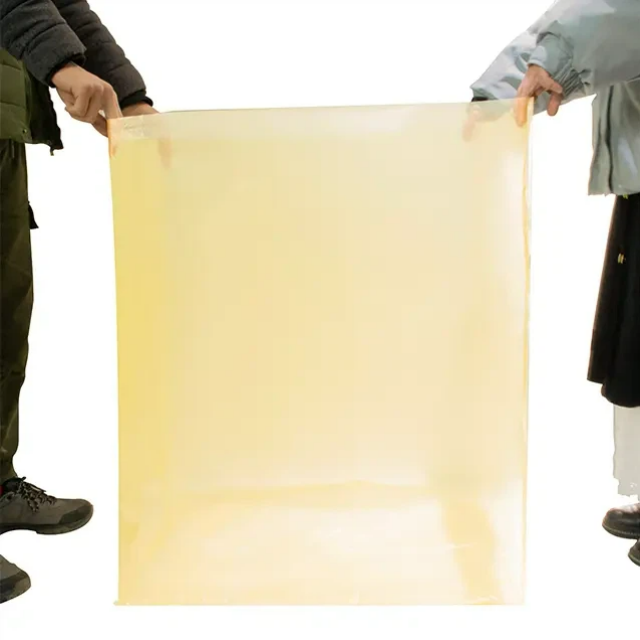
VCI bags work especially well in storage, export packaging, work-in-progress handling, spare parts packaging, maintenance kits, and protection of sensitive metal assemblies. These are all situations where the part may sit for a period of time before use and where clean presentation matters.
They are also highly practical for industries such as automotive, machinery, electronics, aviation, railway, and wind power. In these sectors, corrosion can affect not only surface appearance but also inspection results, assembly quality, and perceived product value.
Some environments are more demanding than others. Long export cycles, severe humidity, extreme temperature variation, or very high-value components may require additional protection planning. In those cases, buyers may combine VCI packaging with desiccants, barrier materials, or stricter sealing methods.
That does not weaken the value of the VCI bag. It simply reflects the fact that packaging should match the real exposure risk. A smart packaging strategy is based on application conditions, not on one fixed assumption for every shipment.
Traditional rust prevention often means applying oil, grease, or another coating before packing, then removing it later before the part can be used. That creates extra labor at more than one stage. It can also lead to inconsistent results when handling varies between workers or locations.
A VCI bag simplifies this process. Because the protection is built into the packaging approach, companies can reduce surface treatment steps and keep workflows cleaner. For factories and exporters managing large quantities of metal parts, that efficiency matters.
Clean packaging is not only easier to manage internally. It also improves the experience for the customer receiving the product. A metal part that arrives without oily residue is easier to inspect, easier to handle, and often easier to put into service. This can help suppliers deliver a better impression without adding unnecessary processing steps.
For many buyers, this is where the product’s value becomes very practical. The anti-rust benefit is important, but the improvement in handling, appearance, and workflow is also a strong reason to use VCI packaging.
One common misunderstanding is that any metal part placed in any VCI bag will automatically stay protected no matter what. That is not how the product should be understood. If the bag is damaged, poorly sealed, badly matched to the part, or used on wet and contaminated metal, the result may fall short of expectations.
The technology works, but correct use matters. This is true of most industrial protection methods. The best results come from proper application, not from treating the product as a universal shortcut.
A VCI bag should be viewed as part of a broader packaging system. The bag type, metal type, part cleanliness, sealing quality, storage conditions, and expected protection period all influence the outcome. That is why serious buyers usually think in terms of application fit rather than asking only whether the bag contains inhibitor chemistry.
At VCI EP NEW MATERIALS (SHANGHAI) CO., LTD., we see this as an important part of product communication. Customers do not only need anti-rust film. They need a packaging solution that fits their parts, process, and shipping conditions.
VCI bags work because they create a controlled anti-corrosion environment around the metal part inside the package. The protective vapor moves through the enclosed space, forms a barrier on the metal surface, and helps reduce the conditions that lead to rust, all while keeping the part cleaner than traditional oily methods. For buyers who want a more efficient and practical way to protect metal during storage and shipping, a vapor corrosion inhibitor bag can be a smart solution. At VCI EP NEW MATERIALS (SHANGHAI) CO., LTD., we support customers not only with anti-rust packaging products but also with application-based guidance. If you want to improve corrosion protection for your metal parts, contact us to discuss your packaging needs.
VCI bags release protective vapor inside the sealed package. That vapor reaches the metal surface and forms a temporary barrier that helps reduce corrosion without leaving heavy oily residue behind.
Yes. One advantage of VCI technology is that the protective vapor can spread through enclosed spaces and reach recesses, cavities, and irregular shapes more easily than surface-only coatings.
Sealing helps keep the protective vapor inside the package. If the bag is left open or loosely closed, the active vapor can escape, which reduces protection performance.
It may help, but it should not be relied on that way. Clean and dry parts usually perform much better because contamination and moisture can reduce the effectiveness of the corrosion protection system.


