
Views: 0 Author: Site Editor Publish Time: 2026-11-19 Origin: Site


Rust and metal degradation drain millions of dollars from global supply chains annually. Bare metal components face fluctuating humidity, oxygen, and airborne contaminants during storage and transit. The resulting electrochemical reactions cause irreversible corrosion. Traditionally, facilities fought this with heavy greases, rust-preventative oils, and thick barrier coatings. These legacy methods work. However, they are exceptionally messy. They demand massive labor hours for application and require toxic cleaning processes before assembly lines can even touch the parts.
Enter modern VCI Film, a clean and highly efficient alternative designed specifically for fast-paced industrial operations. By integrating advanced chemical inhibitors directly into polymer packaging, this technology eliminates liquid rust preventatives entirely. This article explores how volatile corrosion inhibitor technology prevents rust while streamlining packaging workflows. We will examine how it improves worker safety and saves critical processing time, making it the ultimate choice for optimal metal storage and transit.
Key Takeaways
Volatile Corrosion Inhibitors form an invisible, molecular protective layer on metal surfaces.
Dry vapor technology entirely eliminates messy rust-preventative oils, allowing immediate part utilization upon unboxing.
Specialized formulations offer tailored protection for ferrous, non-ferrous, and multi-metal components.
Mastering sealing techniques, storage environments, and shelf-life parameters maximizes packaging efficacy.
Premium anti-rust materials comply with strict military and industrial standards, ensuring reliable performance in harsh shipping conditions.
For procurement managers and packaging engineers comparing industrial solutions, understanding the underlying mechanism of Volatile Corrosion Inhibitor technology is essential. It is not merely a passive plastic barrier. Rather, it serves as an active delivery system for corrosion-preventing compounds.
This technology relies on a precise, continuous chemical vaporization process. During the manufacturing of the plastic roll, specific synthetic chemical compounds are extruded directly into the polyethylene matrix. Once a metal part is enclosed within the packaging, these compounds begin to slowly evaporate from the plastic substrate. The vapors migrate through the trapped air, effectively saturating the enclosed space. Because the vapor pressure of these chemicals is carefully calibrated, they continuously emit until the internal environment reaches a stable state of equilibrium.
As the active vapors circulate, they condense onto the exposed surfaces of the enclosed metal parts. They reach even the most complex crevices and blind holes. The molecules are polar, meaning they magnetically align and attach themselves to the metal. This creates a microscopic, hydrophobic layer. This invisible shield is only a few molecules thick, yet it actively blocks moisture, oxygen, chlorides, and other corrosive contaminants. By disrupting the electrochemical corrosion cell at a molecular level, the barrier actively prevents oxidation from occurring.
Recent market data indicates a massive shift in global logistics toward sustainable and automated supply chains. Stringent environmental regulations are tightening around volatile organic compounds and petroleum-based solvents. Consequently, industries are aggressively phasing out traditional liquid rust preventatives. This macro-trend accelerates the adoption of dry packaging technologies that align with corporate Environmental, Social, and Governance goals. The true value of Packaging Plastic Corrosion Protection VCI Film lies in its ability to eliminate labor bottlenecks while maintaining peak material integrity.
Historically, rust prevention relied on applying thick, viscous oils or cosmoline. This process is inherently flawed when evaluating total labor costs. Workers spend hours coating parts before shipping. Subsequently, the end-user spends equal or greater time using harsh industrial solvents to degrease those parts before welding or assembly. Transitioning to a dry vapor method bypasses this cycle completely. It strips out the hidden labor costs associated with application and removal.
| Feature | Traditional Rust Preventatives | Advanced VCI Film |
|---|---|---|
| Application Method | Messy dipping, spraying, or brushing | Clean, simple wrapping or bagging |
| Cleaning Required | Heavy solvent degreasing needed | None. Parts are ready to use instantly |
| Labor Costs | Exceptionally high | Minimal to zero post-processing |
| Environmental Impact | Generates hazardous chemical waste | Non-toxic and fully recyclable |
Modern industrial operations prioritize occupational safety. Traditional liquid rust preventatives often contain hazardous chemical solvents that pose respiratory and dermal risks to workers. These liquids require strict disposal protocols. In contrast, reputable anti-rust plastics are non-toxic. They are safe to handle without specialized personal protective equipment and are typically fully recyclable. Facilities can drastically reduce their hazardous waste output, creating a safer working environment.
Perhaps the most significant operational advantage is the immediate deployment capability. On a high-volume assembly line, operators cannot afford a 30-minute solvent wash for every incoming engine block. Because the protective layer is molecular and completely invisible, it does not alter dimensional tolerances, conductivity, or surface appearance. Once the package is opened, the molecules dissipate harmlessly into the ambient air. The components are instantly ready for painting, welding, or final mechanical assembly.
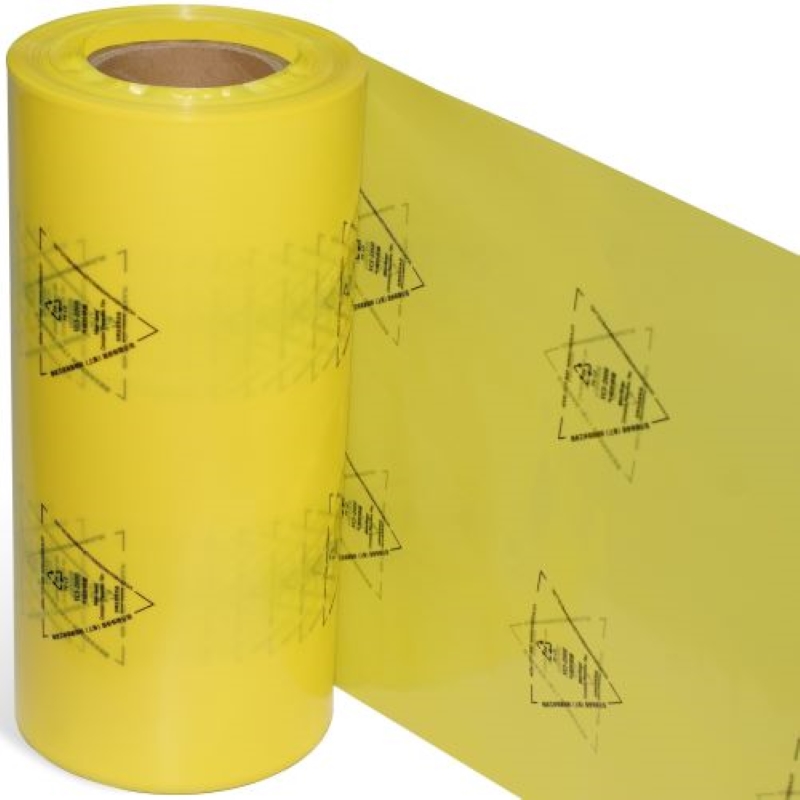
Metals react differently to environmental stimuli. A one-size-fits-all approach to corrosion protection often fails in real-world logistics. Selecting the exact chemical formulation based on your specific inventory is critical for preventing material degradation and unintended surface staining.
Ferrous metals are highly vulnerable to oxidation, which manifests as destructive red rust. Formulations engineered specifically for ferrous applications contain inhibitors that target the iron-oxygen reaction. These films are the ideal choice for carbon steel components, cast iron engine blocks, and heavy structural steel parts. They provide robust protection against high humidity and severe condensation during transit.
Non-ferrous metals do not develop red rust, but they are highly susceptible to white rust, galvanic corrosion, and severe tarnishing. Airborne sulfides accelerate this degradation. Applying a ferrous-only wrap to copper can sometimes cause discoloration. Therefore, specific non-ferrous plastics feature distinct inhibitor blends designed to safely passivate sensitive alloys. This keeps copper bright and prevents pitting on machined aluminum surfaces.
Modern manufacturing assemblies often contain mixed metals. Electrical control panels, assembled engines, and gearboxes frequently combine steel gears with brass fittings. Multi-metal solutions are the preferred choice here. These products contain a balanced blend of inhibitors that simultaneously protect both ferrous and non-ferrous substrates. This greatly simplifies inventory management for purchasing managers, as they only need to source one type of packaging for diverse product lines.
The physical format of the enclosure is just as important as the chemical formulation. Buyers must match the packaging style to their specific logistical requirements, part size, and anticipated transit conditions to ensure mechanical integrity.
For heavy machinery, oversized equipment, and palletized loads destined for overseas export, heat-shrinkable Corrosion Protection VCI Film is the standard. When heat is applied, the plastic shrinks tightly around the contours of the equipment. This creates a secure, form-fitting barrier. Furthermore, heavy-duty variants ranging from 4-mil to 6-mil are often ultraviolet-stabilized. They provide dual protection against harsh weather conditions and internal condensation during long ocean voyages.
Pre-made bags offer immense utility for high-volume automated or manual packaging operations. Flat bags are ideal for individual small components like fasteners, bearings, and stamped parts. Gusset bags feature expandable sides designed to line corrugated boxes or plastic totes. This allows bulk quantities of metal parts to be protected simultaneously within a single master enclosure, accelerating the packing line.
When shipping multiple boxes or loosely stacked metal components, load stability is a primary concern. Stretch film combines the binding properties of standard pallet wrap with active corrosion inhibition. It stretches tightly around stacked metal coils or tubes. This prevents load shifting during transit while continuously emitting protective vapors into the wrapped layers.
Even the highest quality protective materials can fail if operators ignore standard protocols. Implementing a strict methodology ensures maximum efficacy and prevents common user errors that lead to trapped moisture.
The foundation of successful packaging is a pristine surface. Active molecules cannot penetrate heavy dirt, residual stamping fluids, or existing rust. Parts must be completely clean and dry before packing. In practical terms, operators must wear clean, lint-free gloves when handling bare metal. Human skin transfers acidic oils and moisture. This acidic fingerprint can rapidly initiate localized etching that protective vapors cannot reverse.
For the vapor technology to work, the protective atmosphere must remain contained. Creating an airtight enclosure is an absolute necessity. Depending on the format, operators achieve this using industrial heat sealers, secure zip ties, or high-quality waterproof tape. Simply folding over the top of a bag without securing it is insufficient. If the package is left open, the active compounds escape into the external atmosphere, leaving the metal vulnerable.
The ambient environment during the packaging process heavily dictates success. Parts should ideally be packed at room temperature. If cold metal parts are brought into a warm, humid warehouse and immediately sealed inside plastic, trapped ambient moisture will condense on the metal as it reaches the dew point. Managing extreme temperature fluctuations during the packing phase prevents excessive water from overwhelming the chemical inhibitors.
For quality assurance engineers and procurement officers, evaluating a product requires looking beyond basic marketing claims. Analyzing the Technical Data Sheet ensures the chosen material meets rigorous industrial requirements and mechanical stress tests.
Reliable anti-rust plastics should be independently tested against rigorous international standards. Buyers must verify compliance with metrics such as ASTM D-1748 for rust protection in a humidity cabinet, or MIL-PRF-22019 for transparent treated barrier materials. Products carrying these certifications are empirically proven to perform under extreme, accelerated corrosive conditions.
Chemical protection is rendered useless if the physical barrier is compromised during transit. Metal parts often have sharp edges, burrs, or significant weight that can tear standard plastics. Evaluating the mechanical strength of the carrier is critical. Engineers must evaluate parameters like Elmendorf Tear Strength via ASTM D-1922 and Dart Drop Impact Resistance via ASTM D-1709. This ensures the airtight seal remains intact from the factory floor to the end user.
A common consideration involves calculating the return on investment regarding longevity. Understanding the lifespan of these packaging solutions helps facilities plan long-term storage and inventory strategies accurately.
Under optimal conditions, a properly sealed package utilizing premium materials can protect metal components for one to five years. The exact duration depends heavily on the thickness of the plastic, the internal volume of the enclosed space, and the aggressiveness of the external environment. Thicker films generally hold a larger reservoir of active compounds, allowing them to emit protective vapors for a longer, uninterrupted period.
Several variables can accelerate the depletion of chemical inhibitors or compromise the physical barrier. Prolonged exposure to direct ultraviolet light degrades standard polyethylene, causing it to become brittle. Extreme heat can also cause the compounds to volatilize prematurely. To maximize shelf life, unused rolls must be kept in their original packaging, securely wrapped, and stored in a cool, dry warehouse away from direct sunlight. This preserves their efficacy for up to 24 months before deployment.
Conclusion
Advanced vapor packaging fundamentally upgrades how industries approach metal storage. By replacing labor-intensive greases with clean, dry vapor technology, manufacturers gain unparalleled operational efficiency, improved worker safety, and highly reliable rust prevention. Investing in high-quality packaging is an investment in your brand reputation. It ensures your valuable products arrive at the end-user in pristine condition, clean, dry, and ready for immediate use. Visit https://www.vcipluspacking.com to explore high-performance VCI film solutions tailored to your specific logistical needs, request samples, and optimize your supply chain today.
Yes, standard formulations are non-toxic and entirely safe to handle without special personal protective equipment. They do not pose respiratory or dermal health risks to warehouse workers or assembly line operators under normal industrial use.
While you can remove excess air to reduce package volume and prevent shifting, pulling a complete, absolute vacuum is not recommended. The active molecules require a small amount of ambient air space to properly vaporize, circulate, and form the protective monomolecular layer around the metal components.
Yes, but standard indoor-rated bags are insufficient for outdoor exposure. For outdoor storage, you must utilize heavy-duty, ultraviolet-stabilized shrink film specifically engineered to withstand harsh weather conditions, direct sunlight, and extreme temperature fluctuations without degrading.
Unused rolls should be kept in their original sealed packaging or wrapped tightly in standard polyethylene. Store them in a cool, dry indoor environment away from direct sunlight and heat sources to preserve the volatile corrosion inhibitors for up to two years.
No cleaning is required whatsoever. The microscopic protective layer dissipates immediately into the surrounding air upon opening the package. This leaves the metal part completely clean, dry, and instantly ready for painting, welding, or final mechanical assembly.
Standard plastic bags only provide a basic physical barrier against moisture and dust. Once moisture inevitably permeates the plastic or is trapped inside during sealing, standard bags trap that moisture against the metal, accelerating rust. VCI packaging actively releases chemical inhibitors that neutralize the corrosive effects of trapped moisture and oxygen.
Engineers typically rely on accelerated corrosion testing methods such as the Razor Blade Test or humidity chamber testing via ASTM D-1748. In real-world applications, facilities can place visual humidity indicator cards or small test metal panels inside the sealed packages to monitor internal conditions over time.


