
Views: 0 Author: Site Editor Publish Time: 2026-04-16 Origin: Site


Industrial corrosion quietly destroys profitability across the global manufacturing sector. Every year, oxidized metal components lead directly to scrapped parts, severe production delays, and compromised structural integrity. These hidden failures force facilities into reactive, expensive recovery cycles. You also risk damaging valuable customer trust when critical parts arrive compromised. You can eliminate these operational bottlenecks entirely by adopting a dry, active-protection solution. Functioning as a modern alternative to messy traditional rust preventatives, a vci bag actively halts oxidation without requiring labor-intensive degreasing steps. You simply insert the clean part, seal the protective barrier, and dramatically accelerate your downstream assembly lines. This guide provides a practical, step-by-step framework for achieving zero-defect storage and shipping operations. We will show you how to properly evaluate vapor protection technology. You will learn to select the perfect packaging format for your specific application. Finally, we will outline strict sealing protocols to implement confidently on your facility floor.
Mechanism: VCI technology utilizes vapor-phase molecules that penetrate blind holes and deep threads, providing comprehensive protection without physical residue.
Business ROI: Transitioning to VCI eliminates the labor costs associated with applying and cleaning traditional rust-preventative oils.
Implementation: Success relies on strict sealing protocols and ensuring parts are completely dry and isolated from acidic materials like wood or cardboard.
Risk Mitigation: Not all VCI films are equal; evaluating vendors requires verifying standardized testing (VIA) and supply-chain traceability.
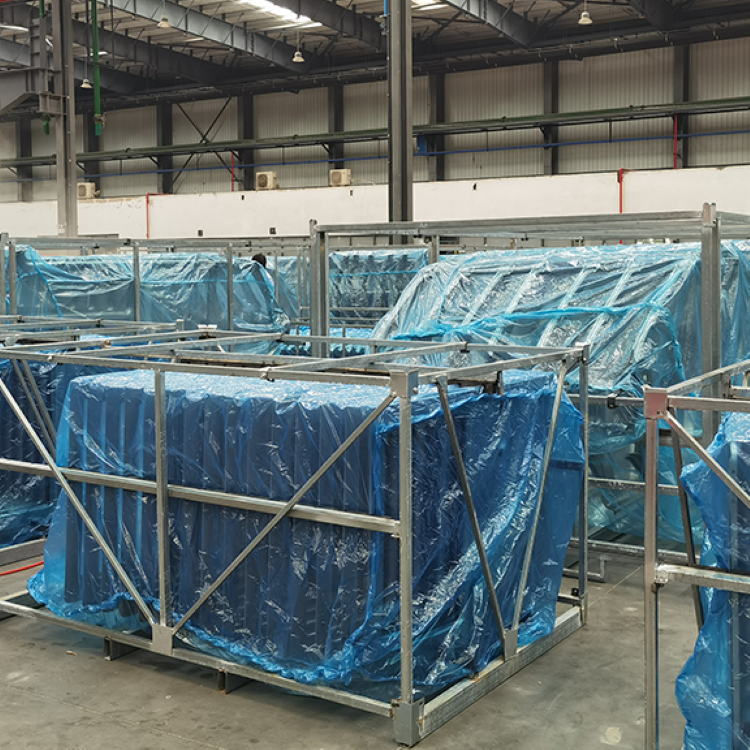
Understanding vapor-phase protection helps you grasp its superiority over wet chemical methods. Manufacturers infuse volatile corrosion inhibitors directly into the molten polyethylene resin during the plastic extrusion process. Once you place a metal component inside and seal the enclosure, these active molecules begin to vaporize. They naturally fill the trapped airspace inside the package. Eventually, they condense onto all exposed metal surfaces. This creates an invisible, molecular-level barrier. It effectively interrupts the electrochemical cycle responsible for rust formation. It blocks oxygen and ambient moisture from reacting directly against the bare metal substrate, protecting both ferrous metals like cast iron and steel, and non-ferrous metals like copper and aluminum.
Traditional greases and heavy oils demand messy manual application. Operators must brush or spray these liquids painstakingly. They frequently fail to coat complex geometries adequately. Vapor technology bypasses this physical limitation entirely. VCI vapors easily penetrate blind holes, recessed channels, and deep internal cavities. They reach obscure internal threads manual brushing completely misses. This gaseous diffusion ensures uniform protection across every square inch of the part.
Furthermore, vapor protection offers a massive "clean" advantage. The active molecular layer dissipates harmlessly into the ambient air the exact moment you open the enclosure. Components emerge completely dry and residue-free. They are immediately ready for secondary manufacturing processes. You can send them straight to painting, welding, or final assembly stations. You bypass time-consuming solvent washing stations entirely. This immediate usability drastically reduces overall processing time and eliminates hazardous waste disposal costs associated with solvent cleaners.
Protection Method | Application Time | Coverage in Complex Geometries | Post-Storage Preparation |
|---|---|---|---|
Vapor-Phase (VCI) | Fast (insert and seal) | Excellent (vapors fill all microscopic voids) | None (ready to use immediately) |
Traditional Oil/Grease | Slow (manual coating required) | Poor (prone to miss deep threads and cavities) | High (requires intensive solvent cleaning) |
Facility managers must recognize the operational triggers demanding better preservation strategies. If your team spends countless hours scrubbing protective oils off incoming shipments, it is time to pivot. Transitioning away from expensive vacuum sealing systems or inconsistent liquid coatings streamlines your daily workflow. Adopting VCI Packaging Bags makes profound sense across several high-stakes commercial scenarios.
Overseas export and maritime shipping present extreme environmental hazards. Freight containers cross oceans facing brutal temperature swings. This creates "container rain" where internal condensation drips directly onto cargo. Fluctuating humidity levels and saline exposure aggressively attack exposed metal. Vapor protection stabilizes the micro-climate around your product during these brutal transit cycles. Long-term warehousing also demands reliable defense mechanisms. Machined ferrous and stamped non-ferrous components frequently sit idle on warehouse racks for months. A properly sealed vapor environment keeps them pristine until market demand spikes.
Beyond long-term storage, modern industrial operations demand rapid supply chain agility. Work-in-progress (WIP) parts often move continuously between separate manufacturing facilities. For instance, freshly machined gears might travel across town for specialized heat treatment. Vapor-inhibiting enclosures protect these vulnerable intermediate stages from flash rust. Maintenance, Repair, and Operations (MRO) teams also benefit greatly from this technology. Critical spare parts kits require immediate, grab-and-go deployment during equipment failures. Plant mechanics cannot waste precious downtime stripping thick grease from replacement components. Vapor technology ensures MRO components remain pristine. Technicians can execute instant installations to restore production operations immediately.
Matching the specific packaging format to your production scale ensures smooth adoption. Your existing automation capabilities and raw product dimensions dictate the ideal choice. Using the wrong configuration creates unnecessary handling bottlenecks on the floor.
Consider these primary format options:
Flat bags: These serve perfectly for manual packaging operations. You use them for small loose components, threaded fasteners, or single machined parts. Operators can quickly slide items inside and seal them.
Gusseted bags: You need these expandable designs for massive payloads. They feature folded sides expanding to accommodate large, bulky machinery. They work exceptionally well for lining massive wooden shipping crates before export.
Zipper/Resealable bags: These fit MRO tool kits flawlessly. They allow field technicians to access specific parts frequently. They can then reseal the remaining components safely to maintain the protective vapor concentration.
Wicketed bags: High-speed automated operations strictly require this specialized variant. Manufacturers group them neatly on metal wire wickets. This allows automated packaging lines and robotic arms to maintain rapid, continuous throughput without jamming.
System integration sometimes requires layered defense strategies. Extreme maritime environments or massive shipping enclosures present unique atmospheric challenges. The sheer volume of trapped air inside a large crate might dilute standard vapor concentrations. In these severe cases, you can supplement the primary plastic barrier. Tossing in distinct VCI emitters boosts the active chemical presence. Wrapping critical geometric zones in pH-neutral VCI paper provides secondary contact protection. This multi-tiered approach guarantees complete saturation in demanding environments.
Purchasing premium protective materials guarantees absolutely nothing if floor execution fails. Operator handling practices and standard operating procedures (SOPs) dictate your ultimate success. A compromised seal instantly neutralizes your financial investment in the packaging.
Pre-packaging hygiene acts as the mandatory first line of defense. Metal parts must be thoroughly clean and bone dry before insertion. Manufacturing cooling fluids, residual wash water, and bare-hand fingerprints introduce aggressive localized corrosion. Human skin contains natural salts and acids capable of etching steel rapidly. Operators must wear clean, dry gloves during the packing phase. They should inspect parts visually to ensure absolutely no moisture enters the enclosure prior to sealing.
Choosing the right sealing methodology secures the crucial vapor barrier:
Heat Sealing: This remains the absolute gold standard for preservation. It utilizes thermal energy to weld the plastic shut. It creates flawless air-tight integrity ideal for long-haul maritime transport or multi-year storage.
Folding and Taping: This works acceptably for large, odd-shaped machinery where heat sealing proves impossible. You must aggressively tape all voids, gusset folds, and overlapping seams shut using high-quality industrial packaging tape.
Zip-Ties or Wire Ties: These mechanical methods offer fast, convenient closure for operators. However, they naturally provide much lower barrier integrity. Air can still escape through bunched plastic folds. You should restrict this approach entirely to short-term, localized indoor staging.
Environmental cross-contamination poses another serious hidden threat. Never allow bare metal to directly contact corrugated cardboard or raw wooden pallets inside the barrier. These porous organic materials absorb ambient moisture heavily from the air. They also emit highly corrosive organic acids during natural breakdown. They act like chemical sponges drawing rust directly onto your pristine components. Always place a buffer layer of protective film directly between the metal surface and the wooden base.
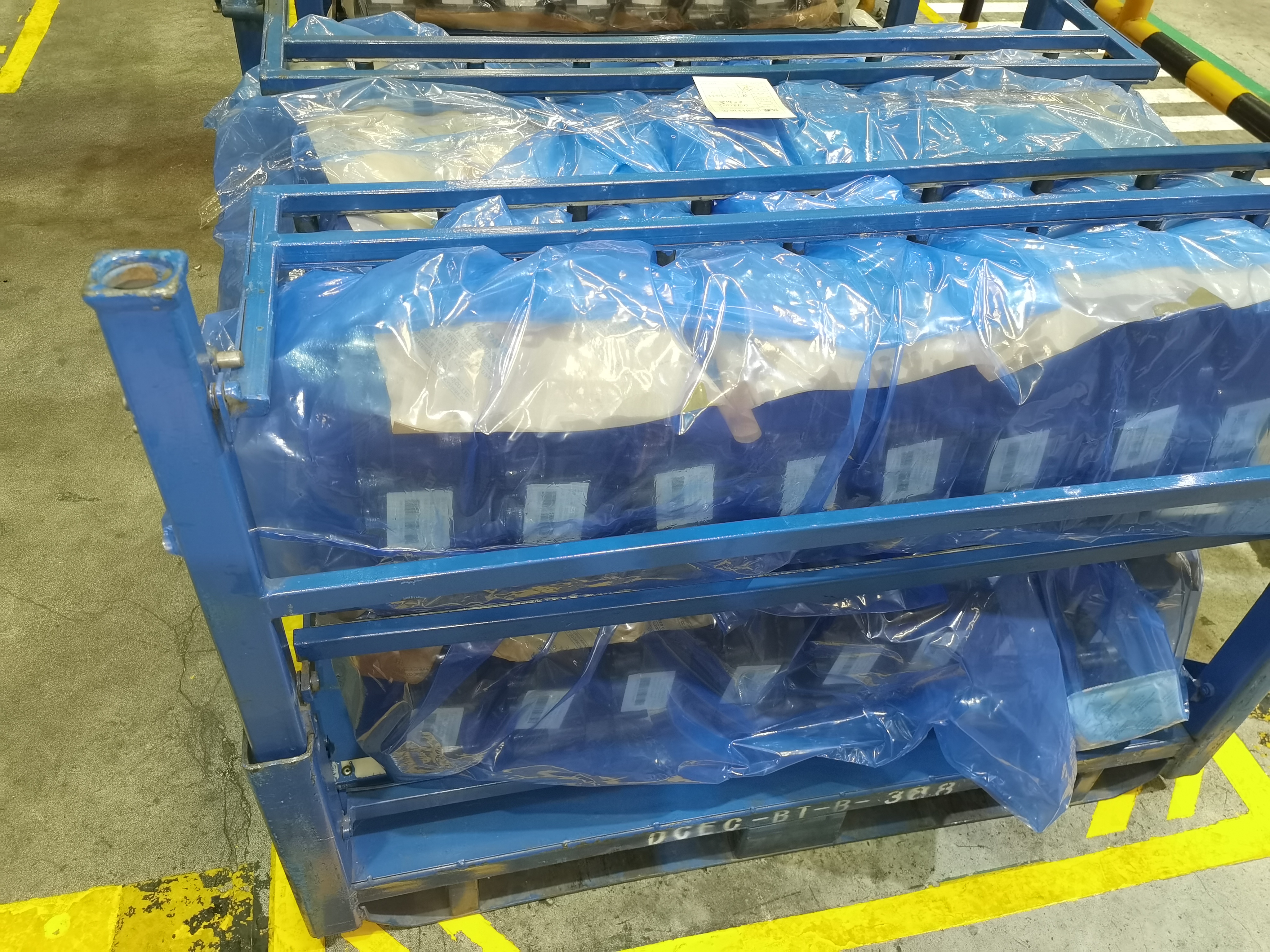
Procurement teams frequently encounter product failures stemming from discount vendors. This unfortunate reality breeds understandable skepticism regarding vapor technology across the industry. Cheap, outsourced manufacturing frequently utilizes terrible quality control standards. Operators often fail to mix the active chemical masterbatch consistently during plastic extrusion. This leads to weak vapor release zones across the roll. It inevitably results in eventual part rusting.
You must watch closely for obvious visual red flags upon material delivery. Compare the color opacities across different film batches closely. Noticeable color variations usually indicate wildly inconsistent chemical dispersion. If the visual tint varies across the roll, the chemical protection level varies equally.
To mitigate procurement risk, evaluate potential partners across strict compliance dimensions. Demand documented proof of standardized industry testing from third-party laboratories. Look specifically for passing scores in VIA (Vapor-Inhibiting Ability) protocols. This test proves the vapor actually protects steel without direct contact. Also require Razor Blade testing data, which proves contact corrosion resistance.
Prioritize vertically integrated manufacturers over mere packaging distributors. Facilities controlling the entire internal process—from chemical resin formulation directly to final film extrusion—deliver vastly superior consistency. Finally, require absolute production traceability. Vendors must print distinct lot numbers, production shifts, and manufacturing dates directly onto the film itself. This continuous data ensures shelf-life validity. It holds the manufacturer completely accountable for every single batch they produce.
Evaluation Dimension | Verification Requirement | Risk Mitigated |
|---|---|---|
Standardized Testing | Documented VIA and Razor Blade pass reports. | Prevents buying defective chemistry that fails to halt oxidation. |
Vertical Integration | In-house formulation and plastic extrusion. | Eliminates inconsistent masterbatch dispersion common in outsourced goods. |
Supply Chain Traceability | Lot numbers and production dates printed on the film. | Ensures proper shelf-life management and supplier accountability. |
Selecting the optimal rust prevention strategy transforms your baseline operational efficiency. Vapor technology represents far more than just a simple packaging consumable. It operates as a highly strategic process-improvement tool. It systematically cuts expensive manual labor hours, reduces dangerous solvent usage, and minimizes costly part scrap rates. You protect the corporate bottom line directly by keeping metal components pristine from the factory floor all the way to the end user.
We strongly recommend launching a focused pilot program to validate these concrete benefits in your facility. Test the materials during one controlled domestic storage cycle. Alternatively, run a trial during a single demanding export shipment. Gather internal data comparing unpacking times and final metal surface quality against your old methods. Reach out today to request technical engineering consultations. Ask for specific material samples for compatibility testing with your unique parts. Securing your manufacturing supply chain starts by upgrading your baseline protection protocols immediately.
A: No. High-quality VCI utilizes a molecular vapor phase that leaves no physical or chemical residue, allowing for immediate painting or welding.
A: They possess a very mild, non-toxic scent that dissipates instantly once the bag is opened and the parts are exposed to ambient air.
A: To maintain efficacy, unused bags must be kept in their original packaging, away from direct sunlight, and in a climate-controlled environment—typically between 40°–110°F.


