
Views: 0 Author: Site Editor Publish Time: 2026-04-09 Origin: Site


Manufacturing and logistics operations constantly battle an invisible enemy. Hidden expenses frequently emerge from corrosion-related part rejections and the heavy labor needed to apply traditional rust preventatives. Scrap rates climb when unprotected metals face unpredictable shipping climates. Removing greasy coatings adds unnecessary downstream processing time and disposal fees. To combat these inefficiencies, modern facilities rely on advanced packaging technologies.
You can implement a vci bag as a dry, clean, and highly efficient solution. They excel in long-term storage and high-risk shipping environments. Rather than coating parts in messy oils, operators simply place components inside the film and seal them. The embedded chemistry does the rest.
This article explores the technical mechanics and commercial applications of these protective enclosures. We will examine critical evaluation criteria to help you select the right materials. You will also discover the implementation realities of integrating this packaging into an industrial supply chain seamlessly. Following these guidelines ensures your metal assets arrive in pristine condition.
VCI (Volatile Corrosion Inhibitor) bags actively emit a protective vapor that forms an invisible, rust-preventative molecular layer on metal surfaces.
Transitioning to VCI packaging eliminates the labor-intensive need for greases, oils, and subsequent degreasing processes.
Selecting the correct VCI bag requires matching the proprietary chemical formulation to the specific metal type (ferrous, non-ferrous, or multi-metal).
Successful implementation relies strictly on proper part preparation (clean, dry parts) and achieving an airtight seal.
Metal corrosion drains industrial profitability quietly but aggressively. Many organizations underestimate the financial damage caused by inadequate packaging. True expenses extend far beyond the immediate cost of rusted materials.
Parts arriving at the end-user with flash rust trigger immediate consequences. Buyers reject oxidized lots upon inspection. You must then absorb the financial impact of return shipping, rework, or complete remanufacturing. Frequent quality failures compromise your vendor scorecards. Low scores jeopardize future contracts and severely damage client relationships. You lose materials, time, and hard-earned market reputation when corrosion strikes.
Manufacturers historically relied on rust preventative (RP) oils and greases. These methods demand massive labor inputs. A time-in-motion analysis reveals severe inefficiencies. Workers spend hours dipping or spraying parts. Downstream, end-users face the frustrating task of degreasing components before assembly or welding. They use harsh chemicals, require dedicated washing stations, and generate hazardous waste. Contrast this burden against the drop-and-seal simplicity of volatile corrosion inhibitors. Clean packaging drastically reduces handling time on both sides of the supply chain.
Global logistics subject bare metals to punishing conditions. Ocean freight remains especially hazardous. Shipping containers cross multiple climate zones over several weeks. Extreme temperature fluctuations create a phenomenon known as "container rain." Condensation drips directly onto unprotected cargo. High-humidity warehousing environments present similar risks. Untreated steel begins oxidizing within hours under these conditions. You need robust barriers to neutralize these relentless environmental threats.
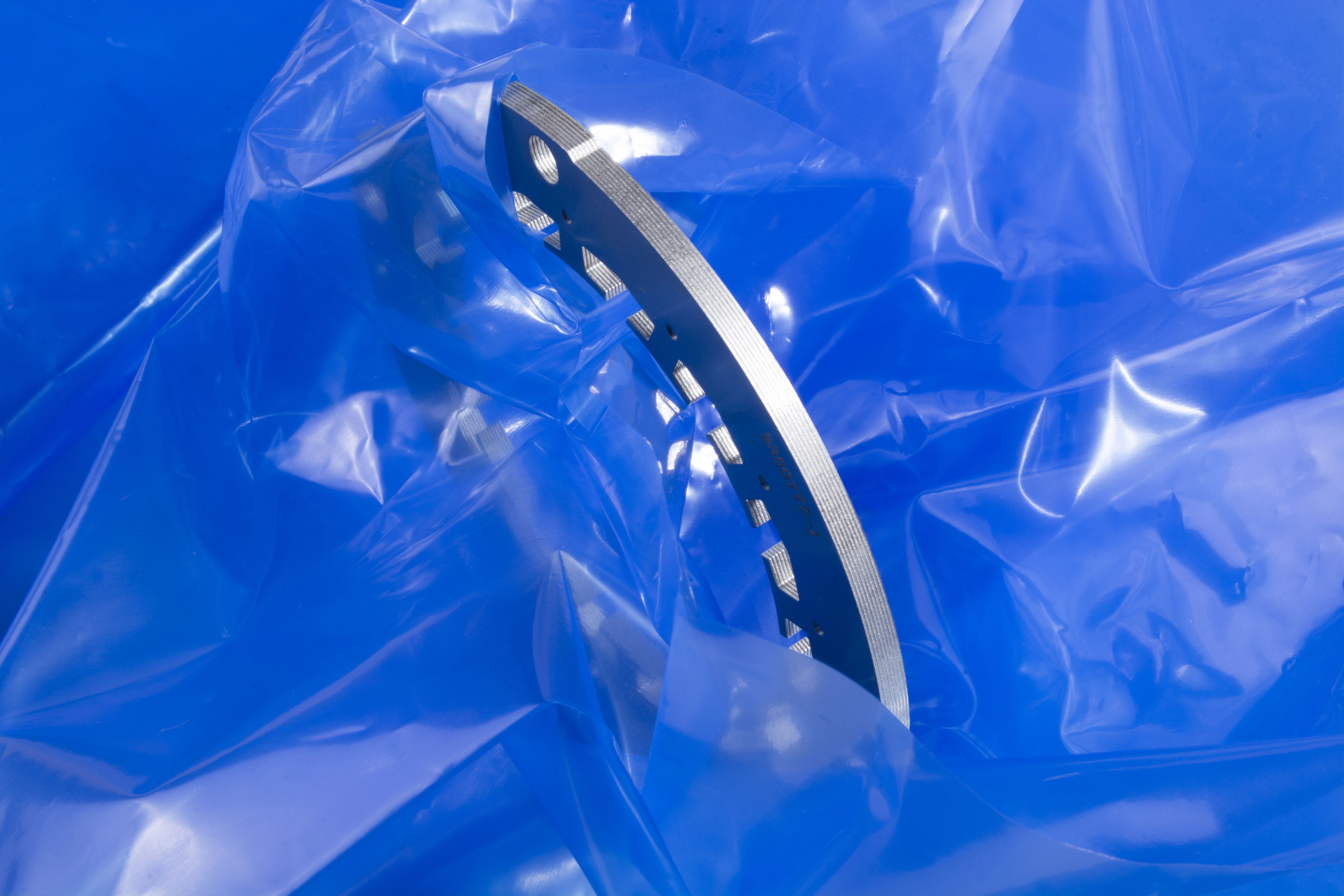
Understanding the underlying science helps procurement teams make informed decisions. Volatile corrosion inhibitors operate on a molecular level. They provide active defense rather than just a passive barrier.
The film contains specialized chemical compounds embedded during the extrusion process. Once sealed, these chemicals begin to vaporize. They completely saturate the enclosed airspace inside the package. The vapors migrate toward metal surfaces and bond to them. This action forms an invisible, molecular-level shield. The layer physically blocks moisture and oxygen from interacting with the metal. It actively neutralizes the electrochemical reaction responsible for rust. When you open the package, the vapor dissipates harmlessly into the air. The metal remains completely clean and ready for immediate use.
Petroleum-based coatings isolate metal from oxygen through sheer physical mass. They are messy and hazardous to handle. Facilities must buy solvents to strip these coatings away later. This creates a messy environmental compliance issue. In contrast, vapor-inhibiting films deliver immediate readiness. You unpack the part and send it directly to the assembly line. This eliminates hazardous waste disposal completely.
Many shippers mistakenly rely solely on silica gel packets. Desiccants only absorb existing ambient moisture. They have a finite capacity. Once they saturate fully, they stop working entirely. Moisture entering the package after saturation will cause rust. Vapor technology differs fundamentally. It does not just absorb water; it prevents the electrochemical corrosion process itself. It continuously replenishes the protective layer as long as the package remains sealed.
The table below summarizes the operational differences between these three common preservation methods.
Preservation Method | Application Labor | Removal Labor | Protection Mechanism | Immediate Readiness |
|---|---|---|---|---|
VCI Film | Low (Drop and Seal) | None | Active Molecular Shield | Yes |
RP Oils/Grease | High (Dip or Spray) | High (Solvent Wash) | Passive Physical Barrier | No |
Desiccants | Low (Insert Packet) | Low (Discard Packet) | Passive Moisture Absorption | Yes (Until Saturated) |
No single film format fits every industrial application. Manufacturers produce distinct profiles to accommodate different component geometries and operational workflows. Choosing the right style of VCI Packaging Bags maximizes efficiency and protection.
Flat VCI Bags: These represent the most common format. They feature two-dimensional construction sealed on three sides. They are best suited for individual small parts, bearings, gears, and localized components. Operators load them quickly by hand or via automated bagging machinery.
Gusseted VCI Bags: These feature expanding side or bottom pleats. The gussets allow the material to take a three-dimensional box shape when filled. They are specifically designed for bulk packing. Facilities use them for lining shipping bins, gaylord boxes, and covering large dimensional equipment or fully loaded pallets.
Zipper/Reclosable VCI Bags: Some workflows require repeated access. These bags incorporate a plastic interlocking track. They are ideal for tool storage, quality control inspection points, or aftermarket spare parts kits. Users can open and reseal the package repeatedly without destroying the protective environment.
Custom VCI Packaging Bags: Mass-produced sizes cannot accommodate extreme industrial dimensions. Manufacturers engineer three-dimensional covers and custom sizes for heavy machinery. You will find these protecting automotive frames, specialized aerospace components, and massive generator housings during export.
Use the following chart to align your component type with the optimal bag style.
Application Need | Optimal Bag Style | Common Industry Use Case |
|---|---|---|
Small, single components | Flat Bags | Fasteners, bearings, stamped metal discs |
Bulk parts in a crate | Gusseted Bin Liners | Automotive cast parts piled in a gaylord |
Frequent inspection required | Reclosable Zipper Bags | Quality assurance samples, hand tools |
Oversized or odd geometry | Custom 3D Covers | CNC machines, engine blocks, turbines |
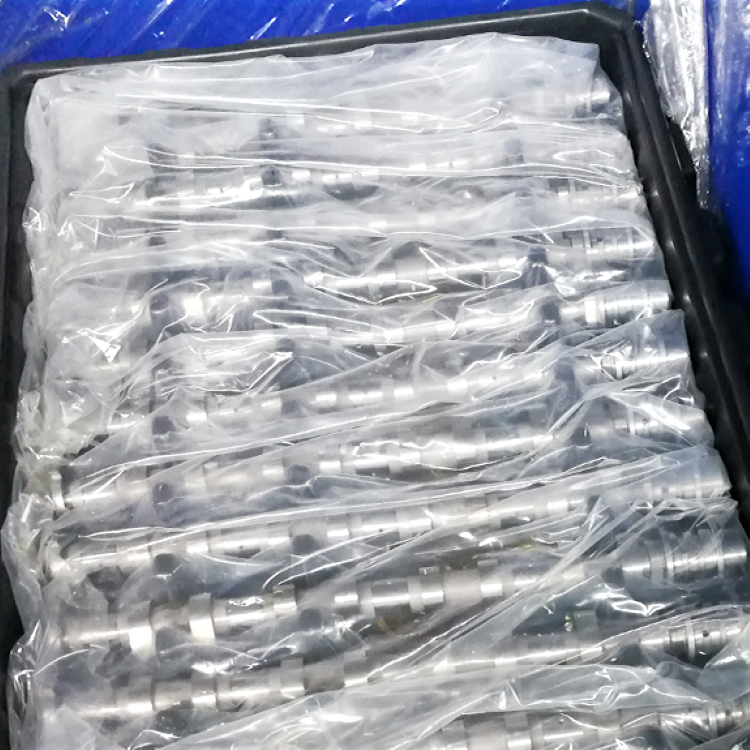
Sourcing vapor-inhibiting plastics requires technical diligence. Purchasing agents cannot treat these films as standard commodity polyethylene. You must evaluate several critical factors to ensure successful deployment.
Chemical formulations vary drastically. You must match the active inhibitor to your specific metallurgy. Using the wrong chemistry guarantees failure and often accelerates damage.
Ferrous: Designed for iron-based metals. Use these for cast iron, carbon steel, and stainless steel.
Non-Ferrous: Engineered for metals lacking iron. Use these for aluminum, copper, brass, and zinc-galvanized parts.
Multi-Metal: Blended formulations for assemblies containing mixed metallurgies. Use these when steel components attach to copper wiring.
Risk Factor: Never guess the compatibility. Using a ferrous-only bag on sensitive copper parts can actively accelerate heavy tarnish and corrosion.
Assess your supply chain timelines carefully. Determine whether the requirement is for short-term domestic transit or long-term overseas storage. Standard gauges (2-mil to 4-mil) typically handle 3 to 6 months of domestic transit easily. Long-term export scenarios lasting 2 to 5 years demand thicker films (6-mil or higher). High-duration applications may also require supplementary vapor emitters placed inside the enclosure.
Factor in the physical environment. Analyze expected salt-fog exposure if shipping by sea. Review local humidity profiles and aggressive temperature shifts. Thicker mil gauges reduce the moisture vapor transmission rate (MVTR). A lower MVTR keeps the internal chemistry concentrated. It also blocks exterior salt air from penetrating the plastic barrier.
Industrial packaging must meet rigorous global standards. Verify necessary regulatory approvals before finalizing a purchase. Look for RoHS (Restriction of Hazardous Substances) and REACH compliance. Ensure the product meets TRGS 615 safety guidelines. If you supply defense or aerospace sectors, mandate that your materials conform to official military specifications (MIL-SPEC). Using non-compliant materials can result in heavy fines or rejected government contracts.
Purchasing top-tier materials only solves half the problem. Poor handling practices routinely destroy the effectiveness of premium packaging. You must strictly enforce operational protocols on the floor.
Emphasize that parts must be perfectly clean and completely dry before entering the bag. The chemistry cannot reverse existing rust. It also cannot protect metal buried beneath thick layers of manufacturing fluids. Alkaline wash stations must rinse parts thoroughly. Air-knife dryers must eliminate all residual moisture. Trapping dirty water inside a sealed enclosure guarantees immediate oxidation.
Human skin presents a major hazard. Sweat contains high concentrations of acidic oils, salts, and moisture. Mandate the use of clean, lint-free gloves for all operators. Bare fingerprints leave corrosive residues directly on the metal. The protective vapors cannot penetrate these thick oil prints. This phenomenon leads to highly localized rust shaped exactly like a human fingerprint. Strict glove policies eliminate this common failure point.
Address the absolute necessity of an airtight environment. The vapor must concentrate to form its protective layer. Leaving the top open allows the chemistry to escape into the warehouse. Discuss sealing methods with your team. Impulse heat sealing provides the highest security. Waterproof packaging tape serves as a strong secondary option. Zip-locks work well for temporary holding. Note carefully that merely folding over an open edge severely compromises vapor saturation.
Understand the physical limitations of the technology. The vapor typically only protects metal surfaces within a specific distance from the film. This working radius is usually 12 inches. If you pack a large hollow casting, the internal voids might sit too far from the plastic walls. These distant surfaces remain vulnerable. You must place supplementary emitters or chemically treated paper inside those large voids to guarantee full coverage.
Best Practices for Implementation
Train operators on the 12-inch distance rule.
Audit washing stations daily to ensure chemical concentration limits remain stable.
Calibrate heat sealers weekly to prevent burn-throughs or weak seams.
Store unused packaging inside its original box to preserve shelf life.
Common Mistakes to Avoid
Packaging parts while they are still warm from the washing line (causes condensation).
Using compressed shop air to dry parts (often sprays oil/water mixtures onto metal).
Reusing damaged films with microscopic punctures.
Mixing different vendor chemicals inside the same crate.
Corrosion mitigation does not have to rely on messy, outdated petroleum coatings. Modern manufacturing demands efficiency, cleanliness, and reliability. Reiterate that a properly sourced and implemented vapor-inhibiting film represents a direct investment in quality assurance. It slashes your labor reduction goals while safeguarding valuable shipments. Dropping a part into a clean enclosure and sealing it ensures it reaches the end-user flawlessly.
Your next-step action should involve controlled testing. Recommend initiating a small-scale shipping trial using representative components. Send these parts through your most aggressive transit route. Concurrently, request a site audit from a qualified packaging engineer. They will validate your exact metal compatibility and determine precise film gauge requirements. Proactive validation guarantees seamless supply chain performance.
A: Typically 1 to 2 years if kept in its original, sealed packaging in a climate-controlled environment.
A: Yes, standard commercial VCI films are non-toxic, recyclable, and safe to handle, though operators should avoid ingesting them or rubbing their eyes.
A: Technically yes, if the bag is undamaged and the chemical payload hasn't been exhausted, but it is rarely recommended for critical shipments due to the risk of microscopic punctures or vapor depletion.
A: Generally, no. Light stamping oils are acceptable, but heavy RP oils defeat the purpose and ROI of transitioning to a clean VCI system.


