
Views: 0 Author: Site Editor Publish Time: 2026-04-08 Origin: Site


Corrosion represents far more than a simple cosmetic flaw on metal parts. It acts as a critical operational risk across industrial sectors. Rust weakens core structural integrity rapidly. It forces the scrapping of expensive machined components. It ultimately drives compounding financial losses for global manufacturers. Procurement teams continually seek better ways to mitigate this risk. Traditional rust prevention often relies on heavy oils and greases. These older legacy methods slow down assembly lines significantly. You lose valuable time cleaning parts before they enter the next production phase.
Vapor Corrosion Inhibitor (VCI) technology introduces a modern paradigm shift. A vci bag protects multi-metal components effectively. It stops rust without introducing new supply chain bottlenecks. The active chemistry neutralizes oxidation continuously. It replaces messy physical barriers with smart molecular defense mechanisms.
This article provides procurement and packaging engineers an evidence-based evaluation. You will learn exactly how these packaging solutions function. We will explore where they fit best within your production lifecycle. You will also discover the implementation realities required for successful, scalable adoption across your manufacturing footprint.
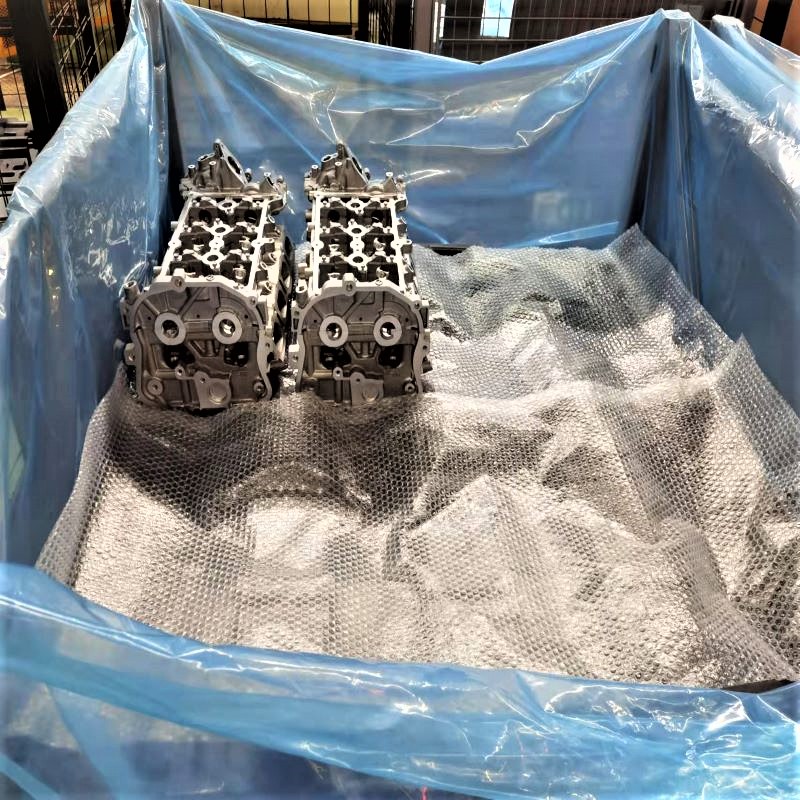
Active Molecular Protection: VCI bags release compounds that form an invisible, protective layer on metal surfaces, effectively neutralizing the electrochemical "corrosion triangle."
Zero-Residue Readiness: The process is reversible; VCI molecules dissipate naturally upon opening, allowing components to bypass labor-intensive degreasing and enter assembly immediately.
Operational Scalability: Integrated directly into the polyethylene (PE) extrusion process, VCI Packaging Bags offer consistent protection and come in scalable formats (e.g., wicketed bags) for automated packing lines.
EHS & Compliance: Modern VCI films eliminate the need for harsh chemicals and special handling PPE, supporting safer workplaces and offering recyclable or biodegradable end-of-life options.
To understand the solution, you must first understand the problem. The chemistry of corrosion relies on three fundamental conditions. Industry experts call this the "corrosion triangle." You need a metal to act as both anode and cathode. You need oxygen to fuel the reaction. Finally, you need an electrolyte to bridge the gap. Moisture or atmospheric pollutants typically serve as this volatile electrolyte. If you remove just one element, you stop the rust completely.
The vapor mechanism attacks this fundamental process directly. Active molecules vaporize from the interior walls of the plastic film. They migrate aggressively through the enclosed airspace. They seek out exposed metal surfaces. Upon contact, they condense rapidly. They form an invisible, microscopic shield over the metal. This molecular layer neutralizes the electrochemical reaction entirely. It effectively insulates the metal from incoming oxygen and moisture.
Penetrating complex geometries remains a major challenge for traditional coatings. Applied liquids often fail spectacularly. They miss deep cavities. They skip over intricately threaded holes. Workers struggle to grease internal surfaces properly. The vapor phase solves this physical limitation. Gases naturally expand to fill their container completely. The protective molecules reach every microscopic crevice safely. They secure internal chambers just as effectively as smooth exterior planes.
The entire chemical process remains fully reversible. This reversibility creates massive operational value. Once you open the enclosure, the molecular barrier safely dissipates. It vanishes into the surrounding air almost instantly. It leaves absolutely no physical residue behind. You will find no oily film. The metal retains its exact original surface properties. Parts are immediately ready for painting, precision welding, or final assembly.
Industry standards are shifting rapidly. Comparing modern methods against legacy systems reveals stark operational differences. We must evaluate these options across multiple distinct efficiency metrics.
Evaluating against rust preventative oils and greases highlights a massive labor discrepancy. The problem is obvious on the factory floor. Thick greases require labor-intensive application procedures. Before you can use the protected part, you must clean it thoroughly. You need chemically harsh solvents for degreasing. This delays production lines and creates hazardous waste. The VCI advantage changes everything. It delivers truly "mess-free" protection. You eliminate tedious degreasing labor entirely. You avoid hazardous waste disposal costs completely. You bypass all the associated shipping delays.
Evaluating against desiccants and vacuum sealing exposes different limitations. The problem here revolves around scalability. Vacuum sealing demands specialized equipment. Machinery requires frequent maintenance and slows down throughput. Desiccants only absorb moisture from the air. They do not actively halt the electrochemical reaction. Furthermore, they require precise volume calculations to function correctly. The VCI advantage relies on simple, scalable packaging. Active chemical protection persists consistently. Even if minor moisture enters the enclosure, the active molecules keep working. The environment simply needs to remain sealed.
Method | Application Labor | Removal Labor | Active Chemical Protection | Scalability |
|---|---|---|---|---|
Rust Preventative Oils | High (Manual greasing) | High (Solvent degreasing) | No (Physical barrier only) | Low |
Desiccants | Low | None | No (Moisture absorption only) | Medium |
Vacuum Sealing | Medium (Machine cycle time) | None | No (Oxygen removal only) | Low |
VCI Packaging | Low (Drop-in packing) | None (Ready to use) | Yes (Vapor phase barrier) | High |
Engineering teams must deploy these solutions strategically. Different phases of the supply chain demand varying levels of rigorous protection.
Long-term storage and inventory buffering represent primary use cases. Quality films protect enclosed components for up to 5 years safely. This extended duration facilitates reliable long-term storage planning. Maintenance, Repair, and Overhaul (MRO) kits sit safely on warehouse shelves. Heavy stamped parts remain pristine until final assembly requires them. You stabilize your inventory buffer without risking latent oxidation damage.
Harsh transit environments introduce aggressive operational conditions. International ocean freight serves as the ultimate test. Temperature fluctuations cause severe condensation inside shipping containers. High humidity levels exceeding 65% accelerate corrosion rapidly. These advanced packaging solutions endure extreme operational tolerances easily. They provide proven defense in temperatures ranging from -51°C to 93°C. You can ship valuable assets overseas confidently.
Multi-metal assembly protection simplifies complex engineering workflows. Complex assemblies frequently use diverse materials. Specific VCI formulations protect ferrous and non-ferrous metals simultaneously. They shield steel and cast iron perfectly. They also protect aluminum, copper, and sensitive brass components. You can pack mixed-material sub-assemblies securely in one single container. This eliminates the need to separate parts by metallurgy before shipping.
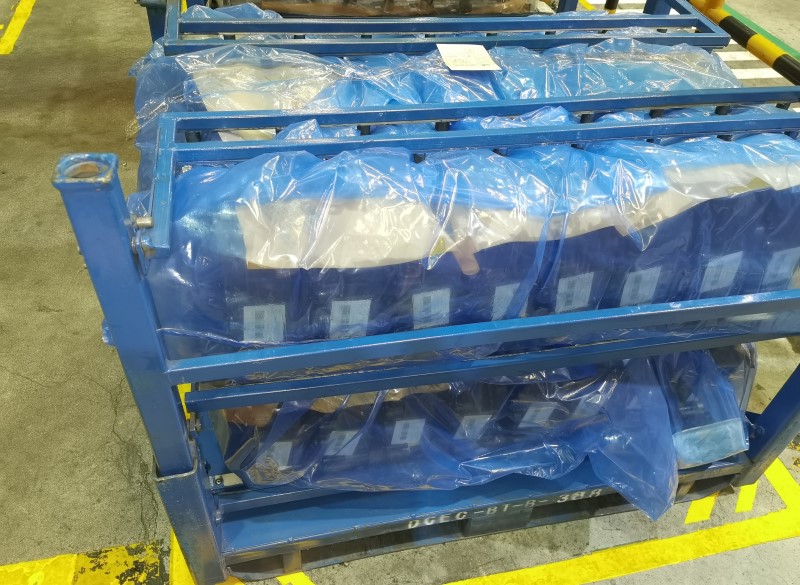
A common misconception exists across the manufacturing sector. Many buyers mistakenly assume VCI is a topical surface coating. They worry it might flake off the plastic over time. You must understand the true manufacturing integrity. Producers blend the active chemistry directly into the polyethylene resin. This blending occurs during the intensive blown film extrusion process. It ensures uniform distribution throughout the entire material matrix. It eliminates the risk of chemical transfer completely.
Choosing the right format for your workflow is critical for success. You must match the physical packaging style to your specific production line demands.
Flat Lay Bags: These serve best for traditional manual packing. They suit smaller components, loose fasteners, and basic hardware kits.
Side-Gusseted Bags: These are absolutely necessary for large-volume assets. You need them for heavy or irregularly shaped items like large engine blocks.
Wicketed VCI Bags: You require wicketed VCI Packaging Bags for high-speed automated production lines. They allow rapid mechanical loading. They eliminate manual bottlenecking efficiently.
Co-extruded Enhancements: You can specify highly specialized blends. Manufacturers combine the chemistry alongside ESD (Electrostatic Discharge) properties. They also offer UV protection enhancements. These suit delicate electronic components and harsh outdoor storage applications perfectly.
Modern facility decisions revolve around Environmental, Health, and Safety (EHS) compliance. Traditional liquid rust inhibitors pose continuous workplace risks. Workers handling dry plastic films do not require specialized protective gear (PPE). They avoid nasty chemical burns and dangerous fumes. You support safer working conditions immediately. Furthermore, you can source highly recyclable polyethylene. You also have access to modern biodegradable PE options. These choices support strict corporate sustainability mandates effectively.
You must actively acknowledge implementation failures and rollout risks. VCI technology cannot reverse existing rust. It only prevents new oxidation from occurring. You must enforce one critical assumption on the floor. Parts must be meticulously clean before packing. They must be completely dry. They must be entirely free of manufacturing fluid pooling. Water-based cutting fluids left on parts will overwhelm the molecular barrier. You must place items into the enclosure only after rigorous visual verification.
Mitigating odor and transparency concerns helps operators embrace the change. Legacy products suffered from notably harsh chemical odors. Modern bags eliminate these unpleasant smells completely. They also maintain high film transparency. Operators perform easy barcode scanning directly through the plastic. QA teams conduct rapid visual inventory checks without breaking the critical seal.
You must establish strict, standardized protocols for operators. Following correct procedures ensures maximum protection and limits unexpected component failures.
Preparation SOPs: Operators must wear clean cotton or nitrile gloves during the packing phase. Bare hands transfer highly acidic fingerprint oils directly onto metal surfaces. You must block this organic contamination entirely before sealing the package.
Proper Sealing Techniques: The package must act as a fully closed system. It must maintain optimal internal vapor concentration. Evaluate your sealing methods carefully. Heat sealing works best for long-term storage requirements. Fold-and-tape methods provide adequate short-term utility. High-quality zip closures offer convenient, repetitive access. You must avoid stapling at all costs. Staples create physical punctures. They cause immediate vapor leaks.
Warehouse Storage Recommendations: Establish firm guidelines for your un-used inventory. Store unused rolls and flat stock between -18°C to 29°C. Keep relative facility humidity strictly below 60%. Avoid exposing the bare film to direct UV radiation. Enforce a strict FIFO (First-In, First-Out) inventory system. This ensures you always deploy the most potent chemistry available.
The primary function of a modern VCI package is abundantly clear. It shifts corrosion protection strategies fundamentally. It replaces a messy, labor-intensive chemical process entirely. It delivers a passive, highly scalable packaging standard instead. It saves measurable time and resources directly on the factory floor.
Procurement and engineering teams should conduct a targeted pilot test next. You must audit your current unpacking and cleaning labor costs accurately. This baseline calculation reveals the true operational ROI of transitioning to advanced vapor technology. Request sample testing for your specific metallurgy today. Evaluate the results rigorously inside your own controlled supply chain.
A: No. They utilize a specialized vapor phase mechanism. The active molecules condense onto the metal to form a microscopic shield. Once you open the enclosure, this layer safely dissipates into the surrounding air. It leaves zero tactile or visual residue behind. You can immediately paint, weld, or assemble the parts without any prior cleaning.
A: They typically protect metal components reliably for 1 to 5 years. The exact duration depends heavily on several variables. Film gauge dictates structural barrier strength. Your chosen sealing method impacts long-term vapor retention. Environmental extremes also play a major role. Quality heat sealing offers the longest reliable timeframe for optimal protection.
A: Reuse is generally discouraged for critical industrial applications. Normal handling creates microscopic film punctures over time. The chemical reserves also deplete steadily once you open the seal. Visually intact films might offer decent short-term secondary utility. However, you should always use fresh materials for critical export shipments.
A: VCI technology works entirely independently. It actively neutralizes the electrochemical reaction without relying on moisture absorption. However, desiccants are highly recommended as a complementary defense in extreme export environments. They control excessive trapped moisture safely during volatile ocean transit. This combination ensures maximum security for highly sensitive components.


