
Views: 0 Author: Site Editor Publish Time: 2026-06-27 Origin: Site


Global supply chains expose metal parts to severe transit conditions. Extreme temperature fluctuations, dense humidity, and salt-heavy sea freight environments create the perfect storm for corrosion. These environmental extremes put vital inventory at severe financial risk every day. Traditional rust prevention methods rely heavily on thick greases and heavy oils. While physically effective, they demand labor-intensive application processes. They also require equally exhausting removal routines. This constant chemical cleaning significantly slows down assembly lines immediately upon arrival. Vapor Corrosion Inhibitor packaging offers a highly effective, dry, drop-in alternative. Using vci bags ensures high-value metal components remain secure during extended transit periods. The active chemistry neutralizes corrosive elements in the surrounding air. Parts stay completely pristine throughout their journey. They are ready for immediate deployment the moment you unpack them.
VCI technology forms an invisible, molecular protective layer on metal surfaces, neutralizing moisture and oxygen in enclosed spaces.
Selecting the right packaging relies on part volume and transit duration; a VCI gusset bag is ideal for palletized or bulky 3D components.
Successful implementation requires strict adherence to packing protocols, including proper sealing and pre-cleaning of parts.
Compared to traditional rust-preventative oils, VCI eliminates degreasing labor.
The protective process begins immediately after you seal the packaging. Specialized corrosion-inhibiting chemicals are embedded directly into the polyethylene film matrix during manufacturing. These active compounds slowly vaporize from the plastic surface into the enclosed airspace. They continue to emit until the interior micro-climate becomes fully saturated. This vapor action ensures the protective compounds circulate freely throughout the packaging interior. The continuous release mechanism guarantees long-lasting protection even during extended shipping delays.
Once the internal airspace reaches optimal saturation, the physical protection phase occurs. The vaporized molecules condense directly onto all exposed metal surfaces. They penetrate deep into hard-to-reach crevices, threaded holes, and complex geometries. As they condense, they align to form a micro-thin, hydrophobic barrier. This invisible layer actively disrupts the electrochemical corrosion cycle. It physically blocks moisture and oxygen from reacting with the metal substrate. By neutralizing these reactive elements at a molecular level, the barrier halts the oxidation process completely.
Intermodal shipping containers routinely experience dramatic climate shifts. As cargo vessels cross different climate zones, internal temperatures spike and plummet. These rapid shifts generate heavy condensation, commonly known as container rain. VCI vapor saturation adjusts dynamically to these severe temperature and humidity swings. Rising temperatures increase the chemical vaporization rate within the enclosure. This accelerated emission provides extra protection exactly when thermal stress is highest. Conversely, during temperature drops, the pre-established molecular layer repels the resulting moisture. You get continuous, real-time protection regardless of external weather conditions.
Emission Phase: Chemicals release from the polyethylene film into the void space.
Diffusion Phase: Vapors travel evenly across the entire enclosed environment.
Condensation Phase: Molecules attach to the metal, creating a moisture-repelling shield.
Choosing the correct dimensional format dictates the success of your packaging strategy. Standard flat bags work exceptionally well for small, individual parts like bearings, bolts, or stamped rotors. They offer a tight, easily sealable profile. Conversely, a VCI gusset bag features expandable sides that create a deep, three-dimensional volume. This structural capacity is essential for lining large wooden crates or corrugated shipping boxes. You can efficiently drape them over bulky engine blocks or wrap irregular metal castings. They accommodate stacked pallet loads without straining the plastic seams.
You must evaluate film thickness based on the physical profile of your components. Film gauge, typically measured in mils, provides essential physical puncture resistance. Meanwhile, the proprietary chemical dosage embedded in the plastic dictates the actual corrosion protection. Heavy, sharp metal parts require higher mil ratings to prevent accidental barrier breaches. A minor tear or puncture allows the protective vapor to escape, rendering the packaging useless. Lighter parts can safely utilize thinner gauges. You must balance physical strength requirements against the geometric complexity of your cargo.
Corrosion inhibitors are not universally applicable to all metals. Chemical formulations differ significantly based on specific metallurgy. You must choose between ferrous, non-ferrous, or multi-metal blends. Ferrous formulas protect iron and steel components exclusively. Non-ferrous blends target copper, brass, and aluminum surfaces. Multi-metal options provide balanced protection for complex assemblies containing varying alloys. Emphasize the absolute necessity of matching the packaging chemistry to your specific alloy. Using an incompatible formulation can lead to severe staining or completely ineffective protection during transit.
| Packaging Type | Best Used For | Key Structural Advantage |
|---|---|---|
| Standard Flat Bags | Small fasteners, individual rotors, stamped parts | Tight profile, rapid heat-sealing capabilities |
| Gusset Bags | Engine blocks, palletized cargo, bulk bins | Expandable sides, deep 3D volume capacity |
| VCI Paper/Wrap | Interleaving layers, short-term internal transit | Highly flexible, rapidly saturates small spaces |
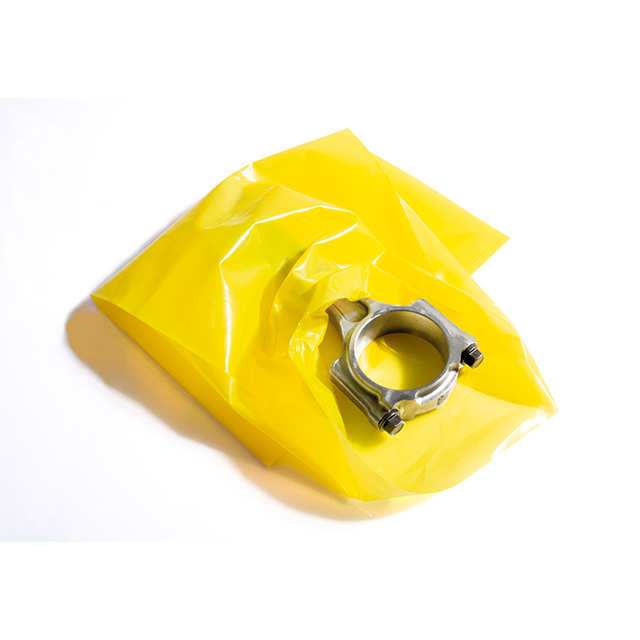
Traditional rust preventative oils demand rigorous, multi-step application processes. Workers must actively dip, brush, or spray components before packing them. Upon arrival, the receiving facility faces an equally intensive removal process. Teams must scrub the parts using harsh chemical degreasers. Vapor packaging replaces this entirely. It establishes a straightforward "pack and ship, open and use" workflow. Operators simply place the dry part inside the enclosure and seal it. This complete elimination of manual coating and scrubbing saves thousands of operational hours annually.
Heavy oils and solvent-based degreasers introduce severe environmental hazards into your facility. They produce volatile organic compounds (VOCs) that require specialized ventilation systems. Furthermore, disposing of spent solvents incurs steep regulatory fees and complex handling requirements. High-quality polyethylene packaging provides a clean, dry alternative. Most standard films are fully recyclable through typical industrial waste streams. Switching to dry packaging dramatically simplifies your facility compliance. It creates a significantly safer, cleaner breathing environment for your floor workers.
The most distinct operational advantage of dry vapor protection is immediate part readiness. Traditional liquids leave a thick, sticky residue. If left uncleaned, this grease interferes with subsequent manufacturing steps. Vapor molecules, however, leave absolutely no physical or chemical residue behind. Once you open the enclosure, the molecular layer instantly dissipates into the surrounding air. The metal surfaces emerge completely clean and completely dry. You can route components immediately into welding, painting, or final assembly stages without any intermediary washing steps.
| Evaluation Metric | Traditional Preventative Oils | Vapor Inhibitor Packaging |
|---|---|---|
| Application Method | Manual dipping, brushing, or spraying | Simple insertion and sealing |
| Removal Process | Intensive chemical degreasing and washing | None required; vapor dissipates instantly |
| Environmental Impact | High VOCs, toxic solvent disposal required | Clean, dry, and highly recyclable material |
| Part Readiness | Delayed by mandatory cleaning steps | Ready for immediate assembly or welding |
Vapor protection relies entirely on maintaining a concentrated internal atmosphere. Therefore, achieving a hermetic or near-hermetic seal is absolutely critical. Leaving bags open or poorly closed allows the protective chemicals to escape into the ambient warehouse air. It also allows external moisture to continuously breach the enclosure. You must utilize industrial heat sealers, high-quality waterproof taping, or robust zip-closures. Folding the plastic over and stapling it creates puncture holes that instantly compromise the chemical barrier. A breached seal guarantees localized corrosion.
A fundamental rule of dry packaging is that parts must be flawlessly clean and completely dry before insertion. Vapor layers cannot penetrate heavy soils, thick oils, or pooled water. Human fingerprints are highly acidic and contain corrosive salts. Residual machining coolants or leftover wash water leave harsh chemical deposits. If you pack a contaminated part, you trap the corrosive agents directly under the molecular protective layer. The oxidation process will continue unhindered beneath the surface. Operators must wear clean handling gloves to prevent sweat transfer during the packing phase.
Proper sizing heavily influences chemical saturation efficiency. You must avoid leaving excessive dead airspace within the enclosure. The active molecules have a limited effective travel distance. If the enclosure is vastly oversized, the chemical concentration becomes severely diluted. The vapor will struggle to reach deep cavities or distant metal surfaces efficiently. Conversely, wrapping parts too tightly prevents adequate airflow. The vapor must circulate freely around the entire component. You should select a size that allows slight internal airflow while minimizing empty void space.
Introducing external carrier materials into the sealed environment often causes rapid failure. Standard industrial corrugated cardboard is highly acidic. Unseasoned wood pallets retain significant amounts of moisture. When sealed inside the enclosure, these materials emit corrosive off-gases and release trapped water vapor. They actively compete with the metal parts, absorbing the protective chemicals. You must rigorously isolate metal components from raw wood and acidic cardboard. We strongly recommend using dedicated plastic interleaving sheets or utilizing specialized, pH-neutral dividers inside the primary enclosure.
Always handle clean parts with fresh nitrile or cotton gloves.
Ensure parts reach ambient room temperature before sealing to prevent flash condensation.
Use dedicated heat sealers calibrated to the exact mil thickness of your film.
Isolate metal components from direct contact with raw wood pallets.
Stapling the film closed, which creates immediate exit points for the vapor.
Packing parts while they are still warm from the washing or machining process.
Using standard highly acidic cardboard dividers inside the sealed enclosure.
Leaving bags open on the packing line for extended periods before sealing.
You should never execute a full-scale supply chain rollout without conducting rigorous preliminary testing. We recommend starting with formal climate chamber evaluations. Send sample parts to an independent testing facility or utilize internal quality labs. Expose the packed components to accelerated Salt Spray tests or severe Humidity chamber cycles. These controlled environments simulate weeks of harsh sea transit in just a few days. Carefully document the condition of the metal upon extraction. This empirical data validates the specific film gauge and chemical blend before you commit resources.
Procurement teams must demand comprehensive performance documentation from potential vendors. Do not rely solely on marketing claims. Request verified data demonstrating compliance with established military specifications, such as MIL-PRF-22019. Demand adherence to NACE TM0208 standards, which dictate the testing methods for volatile corrosion inhibitors. Furthermore, verify localized environmental compliance. Ensure the materials meet strict RoHS (Restriction of Hazardous Substances) and REACH directives. Securing these certifications guarantees the chemical formulation is both highly effective and legally compliant across global borders.
When comparing vendor solutions, evaluate the complete operational workflow. Measure the exact labor hours your team spends on the entire packing and unpacking cycle. Compare the time required to simply insert a part against the multi-step process of traditional methods. Track the immediate readiness of components entering the assembly line. By focusing on workflow velocity and process simplification, you capture the true efficiency gains of dry packaging. Prioritize vendors who offer comprehensive application audits and engineering support to streamline these specific handling procedures.
Request Samples: Obtain various film gauges and dimensions for initial fitment checks.
Execute Chamber Tests: Run accelerated humidity testing on your specific metal alloys.
Verify Certifications: Collect RoHS, REACH, and relevant NACE compliance documentation.
Conduct Line Audits: Time the exact packing and unpacking processes on your factory floor.
Transitioning to dry packaging strategies protects your high-value inventory from the extreme rigors of global shipping. These advanced films dynamically adjust to temperature swings, neutralize dense humidity, and block salt-heavy air. However, they are highly engineered chemical tools, not simple magic covers. They demand precise specification, disciplined handling protocols, and absolutely clean packing environments. By eliminating labor-intensive greasing and degreasing routines, you drastically improve factory throughput and operational velocity. We encourage you to request physical material samples and schedule a comprehensive application audit. Consult with a qualified packaging engineer to perfectly align film gauge and chemical formulations with your exact transit requirements.
A: Protection ceases almost immediately upon removal from the enclosed vapor environment. The invisible molecular layer quickly dissipates into the open ambient air. Because there is no residual physical coating left behind, the bare metal becomes vulnerable to surrounding humidity instantly. Therefore, parts should remain fully packed and completely sealed until the exact moment of use.
A: The complete saturation timeframe typically takes 12 to 24 hours. This duration depends heavily on the internal volume of the enclosure and the ambient temperature of the packing facility. The active chemicals need adequate time to vaporize, diffuse through the trapped air, and condense uniformly across all complex metal surfaces.
A: Yes, they are highly compatible if chosen correctly. We recommend using specific types of desiccants, such as standard silica gel or bentonite clay. These specific materials do not absorb or interfere with the active inhibitor molecules. This strategic pairing ensures powerful dual moisture absorption and chemical corrosion protection during extreme transit conditions.


