

The VCI EP New Materials (Shanghai) Co., Ltd. technical team has played a key role in the development of the national standard "General Guidelines for the Selection of VCI Anti-Rust Packaging Materials," which has now been officially released!

In the automotive manufacturing sector, thousands of parts must work in harmony to ensure the vehicle operates smoothly. Among them, the engine system, transmission system (gears, bearings, transmissions, etc.

Packaging Technology for Dry-Type Transformers with Enclosures: Triple Guarantees of Sealing, Moisture-Proofing, and Buffering Using VCI TechnologyCorrosion, moisture ingress, and physical damage during transportation and storage are some of the most significant challenges faced by industries when d

Innovative Anti-Corrosion Technology Launch: VCI-901 Water-Based Rust Converter and VCI-902 Silicone Coating UnveiledCorrosion is one of the leading causes of damage to metal surfaces in many industries. From manufacturing to construction, marine, and power sectors, businesses across the globe are s

IntroductionTinplate and low-carbon steel are widely used across packaging, automotive components, hardware parts, metal containers, and industrial manufacturing.

VCI+ Vapor Corrosion Inhibition Technology: Solving the Rusting Corrosion, particularly in high-temperature and high-humidity environments, is a significant challenge for industries that deal with metal parts. It leads to costly damages, customer complaints, and operational inefficiencies. Tradition

When Corrosion Protection Fails, Have You Really Found the Root Cause?Corrosion is one of the most significant challenges faced by manufacturers when it comes to metal parts, especially in industries that deal with delicate machinery, automotive parts, electronics, and aerospace components. To preve

Road rollers (compactors) are workhorses on construction sites: steel drums, hydraulic components, bearings, fasteners and chassis all work together under dirt, water, salt and mechanical stress.
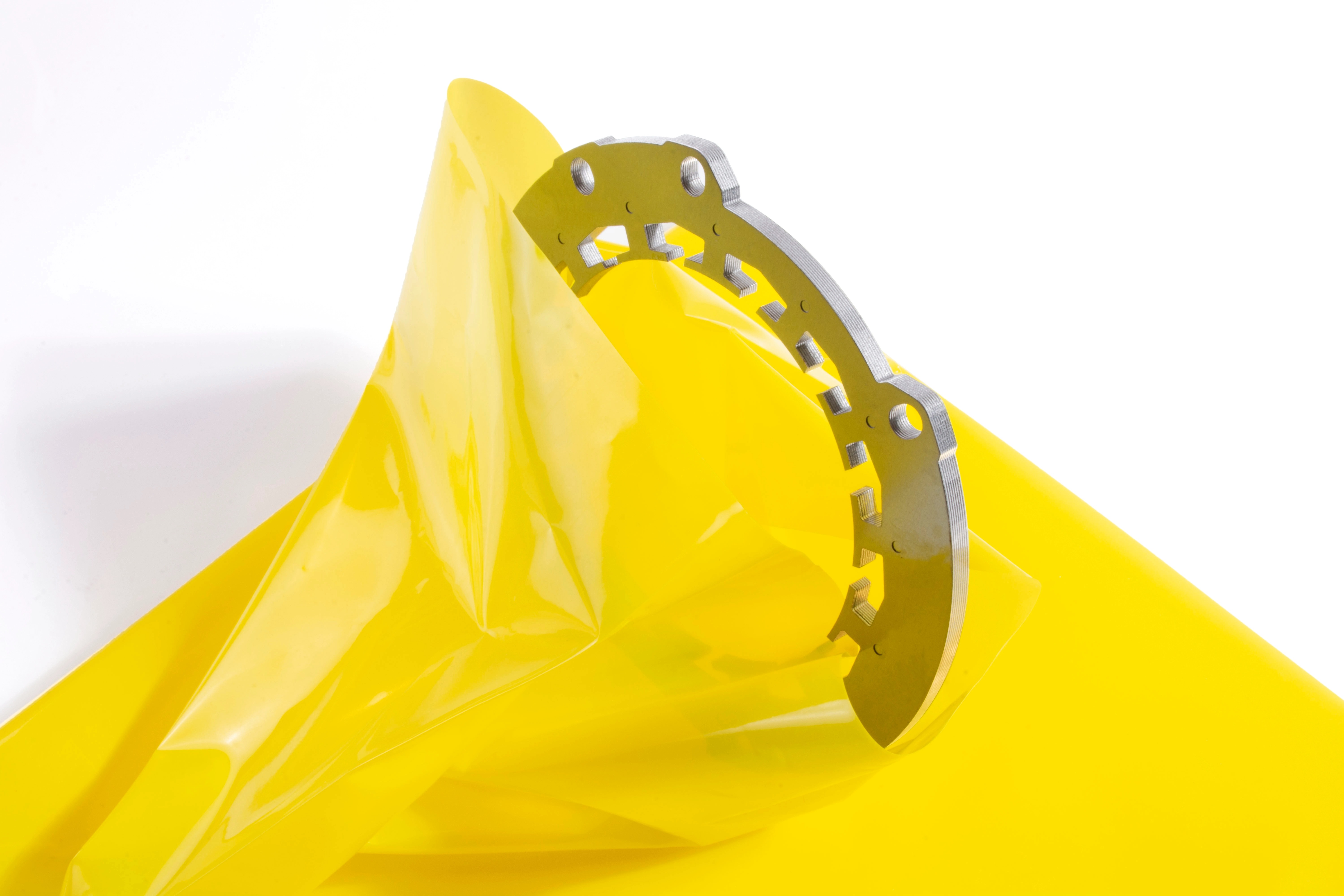
Stainless steel is widely recognized as a “corrosion-resistant” material, but not as a “never-rust” material. In industries such as machinery manufacturing, petrochemical processing, food equipment, precision instruments, marine engineering, and automotive components, stainless steel corrosion remai


