
Views: 0 Author: Site Editor Publish Time: 2025-12-05 Origin: Site


Corrosion, moisture ingress, and physical damage during transportation and storage are some of the most significant challenges faced by industries when dealing with heavy equipment, especially dry-type transformers. These challenges can result in costly repairs, downtime, and, in some cases, complete failure of transformer components. Therefore, ensuring effective packaging is critical to preserve transformer performance and extend its lifespan. This article explores an advanced packaging technology that integrates VCI technology, providing triple guarantees of sealing, moisture-proofing, and buffering for dry-type transformers with enclosures.
Dry-type transformers, integral to industries such as power generation, manufacturing, and infrastructure, face substantial risks during their transportation and storage phases. These risks include:
Corrosion: Due to environmental factors such as humidity, saltwater, and pollutants.
Moisture Ingress: Leading to internal short circuits and degradation of electrical components.
Physical Damage: From mechanical shocks, vibrations, and handling during transit.
Effective packaging, therefore, becomes essential to prevent these issues. The key to success lies in sealing, moisture-proofing, and buffering—all of which can be optimized by using VCI (Volatile Corrosion Inhibitor) technology.
This article will discuss how VCI technology can be integrated into packaging for dry-type transformers, ensuring their protection against corrosion, moisture, and physical damage. We will also explore the specific packaging requirements for these transformers and the benefits of incorporating VCI products.
Sealing is one of the most crucial aspects of transformer packaging. It prevents external contaminants, such as dust and moisture, from entering the transformer enclosure during storage and transportation.
Sealing Materials: High-quality VCI films and shrink wraps provide durable, tight seals around the transformer. These materials are designed to prevent air, moisture, and contaminants from entering the packaging.
Importance of Proper Sealing: Without a proper seal, even small amounts of moisture can lead to rust, corrosion, and eventual transformer failure. The VCI packaging ensures that the transformer is completely sealed, providing the first layer of defense against corrosion.
Moisture ingress is one of the leading causes of transformer failure. If the metal components inside the transformer are exposed to moisture, it can cause rust, corrosion, and potential electrical shorts.
Moisture Absorption Materials: PNX desiccants are commonly used to absorb any moisture inside the packaging. These desiccants actively maintain the ideal humidity level and prevent any excess moisture that could cause corrosion.
VCI Moisture-Proofing: In addition to desiccants, VCI technology is integrated into the packaging. VCI-treated materials, such as VCI films and VCI papers, are used to release corrosion inhibitors that protect metal components from moisture-induced rust. This dual protection—moisture absorption and corrosion inhibition—ensures that the transformer remains intact.
Physical shocks and vibrations during transportation can cause serious damage to sensitive transformer components. Proper buffering is essential to absorb these impacts and prevent mechanical damage.
Buffering Materials: EPE foam (expanded polyethylene) is widely used as a cushioning material around the transformer to absorb vibrations and shocks. This foam is soft yet durable, providing an effective barrier against physical damage.
VCI-Enhanced Buffering: VCI technology can be integrated into buffering materials to prevent corrosion even while the transformer is being physically protected. This means that the transformer is shielded both from mechanical impacts and corrosion simultaneously.
VCI (Volatile Corrosion Inhibitors) are chemicals that release vapor-phase molecules to form a protective layer on metal surfaces, preventing rust and corrosion. These inhibitors are integrated into packaging materials like films, papers, and foam, offering long-term protection against environmental factors.
How VCI Works: The VCI molecules diffuse through the air inside the sealed packaging, forming a protective barrier on the transformer’s metal parts, preventing oxidation and rust.
Benefits of VCI Technology: VCI technology is particularly beneficial in environments where moisture and humidity are prevalent. It ensures that metal surfaces are consistently protected from the damaging effects of rust and corrosion.
Sealing + VCI: Sealing ensures that no contaminants can enter the packaging, while VCI provides an additional layer of protection by inhibiting corrosion within the sealed environment.
Moisture-Proofing + VCI: Moisture-proofing materials, such as desiccants, absorb any remaining moisture, and VCI technology ensures that the transformer’s metal components stay rust-free.
Buffering + VCI: The buffering materials absorb physical shocks, while VCI ensures that, even if the packaging is compressed or impacted, the metal parts inside are not exposed to corrosion.
Positioning: The transformer is carefully positioned at the center of the wooden pallet, ensuring that it is stable and evenly distributed.
VCI Treatment: Prior to packaging, the transformer is treated with VCI films or papers to ensure that corrosion inhibitors are already in place.
EPE Foam Layer: The transformer is wrapped in EPE foam to absorb any external impacts and provide physical protection.
VCI-Enhanced Foam: For additional corrosion protection, VCI-treated EPE foam is used to shield the transformer from both physical and corrosion-related damage.
Incorporating Desiccants: PNX desiccants are placed inside the packaging to absorb any residual moisture. These desiccants are designed to maintain a low-humidity environment, reducing the risk of corrosion.
Sealing with Aluminum Foil Bags: The transformer is then sealed in an aluminum foil bag, which is vacuum-sealed to prevent moisture ingress.
Outer Layer Sealing: The final layer of tear-resistant VCI film is applied to the outer packaging. The shrink-wrap is tightly sealed around the transformer to ensure the integrity of the packaging.
Labeling: Handling instructions, humidity indicators, and VCI usage details are attached to the packaging for easy identification.
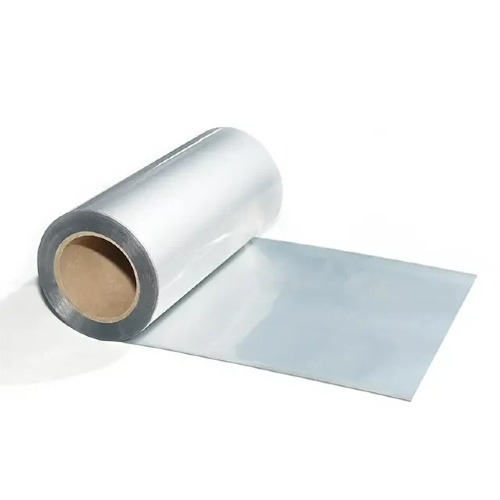
VCI-enhanced packaging significantly extends the lifespan of dry-type transformers by preventing rust and corrosion during storage and transit. The protection can last for years, reducing the need for maintenance and repairs.
Reduced Damage: By protecting transformers from corrosion and physical damage, companies can save on repair and replacement costs.
Lower Operational Costs: The use of VCI technology eliminates the need for frequent maintenance and cleaning, reducing overall operational costs.
Eco-Friendly VCI Products: VCI packaging is biodegradable and non-toxic, providing a green solution for businesses that prioritize environmental sustainability.
Reduction in Waste: The long-lasting nature of VCI protection reduces the need for continuous re-packaging, minimizing waste in the long run.
Problem: Transformers exposed to humid environments leading to corrosion during transportation.
Solution: Integration of VCI-treated films, desiccants, and EPE foam for effective sealing, moisture-proofing, and buffering.
Outcome: Transformers arrived at the destination in excellent condition, with no corrosion or physical damage.
Problem: Saltwater exposure leading to rust and corrosion in transformers used in offshore wind turbines.
Solution: Use of VCI-treated aluminum foil bags and moisture-proofing desiccants.
Outcome: Long-term protection against saltwater and moisture, with transformers remaining rust-free during storage and installation.
The integration of VCI technology with sealing, moisture-proofing, and buffering offers a comprehensive and innovative solution for protecting dry-type transformers during transportation and storage. This advanced packaging approach ensures unparalleled protection against corrosion, physical damage, and moisture ingress, effectively extending the lifespan of transformers and ensuring their reliable performance in harsh environments.
By adopting VCI-enhanced packaging, industries can not only reduce maintenance costs but also improve operational efficiency and support environmental sustainability. This solution helps prevent costly repairs and replacements, ensuring that your transformers remain in optimal condition during storage and transit.
At VCI EP NEW MATERIALS (SHANGHAI) CO., LTD., we specialize in providing tailored packaging solutions that integrate VCI technology, helping businesses safeguard their critical assets. If you're looking to enhance the protection of your transformers and reduce operational risks, feel free to contact us. Our team is ready to assist you in implementing the most effective corrosion protection solutions for your needs.
Q1: What is VCI technology and how does it work in transformer packaging?
A1: VCI technology involves the use of volatile corrosion inhibitors that release vapor-phase molecules to form a protective layer on metal surfaces. This technology is integrated into packaging materials to prevent rust and corrosion.
Q2: How does VCI-enhanced packaging protect transformers from moisture?
A2: VCI packaging incorporates moisture-absorbing desiccants that control humidity within the packaging, while VCI inhibitors protect the transformer’s metal components from corrosion.
Q3: What are the benefits of using VCI in transformer packaging?
A3: VCI technology ensures long-term corrosion protection, reduces maintenance costs, improves packaging efficiency, and provides an environmentally friendly solution.
Q4: Can VCI packaging be used for other industrial equipment?
A4: Yes, VCI packaging is versatile and can be used for a wide range of industrial equipment, including electrical components, machinery, and automotive parts.
Q5: How long does VCI packaging protection last?
A5: VCI protection can last for several years, depending on the environmental conditions and the type of packaging used. For transformers, the protection can last up to 10 years or more.


