


Corrosion is a persistent and costly challenge for industries across the globe, affecting everything from construction materials to electronics. Whether it’s the humid conditions in storage, the harsh marine environment, or the wear and tear from transportation, metals are constantly at risk of rusting and degrading. Fortunately, corrosion protection technology has advanced significantly over the years, with VCI protection standing at the forefront of these solutions.
VCI, which stands for Volatile Corrosion Inhibitor, provides a revolutionary way to protect metal parts and products during storage and transportation. The application of VCI films, in particular, has become a staple in various industries for its simplicity and effectiveness. In this guide, we’ll explore what VCI technology is, how it works, and why VCI films are one of the best solutions to combat corrosion. Whether you’re in the automotive, manufacturing, or electronics industry, understanding the power of VCI technology will help you safeguard your metal assets effectively.
VCI technology uses a combination of Volatile Corrosion Inhibitors (VCIs) that prevent corrosion on metal surfaces by creating a protective atmosphere inside sealed environments. These VCIs are chemical substances that vaporize and coat metal surfaces with an invisible protective barrier, safeguarding them from moisture, oxygen, and other elements that cause rust.
The concept of VCI technology is simple yet highly effective: the VCI molecules are released into the air within a closed space—such as a package, equipment cavity, or storage container—and then bond to the metal surfaces. This protective layer forms a barrier, preventing the electrochemical reactions that lead to corrosion. Unlike traditional methods of corrosion protection, like oils or grease, VCI protection does not require removal or messy cleanup before use.
VCI technology works for a wide range of metals, including ferrous (steel, iron) and non-ferrous metals (copper, aluminum), making it a versatile option for numerous industries. Whether it’s metal components in a factory, automotive parts in a warehouse, or electronics in shipping, VCI protection ensures reliable and long-lasting rust prevention.
VCI film refers to specially formulated polymeric films that are embedded with Volatile Corrosion Inhibitors. These films serve as packaging materials that actively protect metals from corrosion. VCI films are typically available in various forms, including bags, sheets, rolls, and wraps, offering a flexible solution for packaging metal parts of all shapes and sizes.
The key advantage of VCI films lies in their ability to release corrosion inhibitors in vapor form. When a metal item is enclosed in a VCI film bag or wrapper, the VCI molecules inside the film vaporize and create a protective atmosphere around the metal. The inhibitors bond to the metal surfaces, effectively preventing oxidation and rust formation. These films are widely used in industries where metals are exposed to high humidity, moisture, or other corrosion-inducing elements.
There are various types of VCI films available, designed for different levels of protection. Whether for short-term storage, long-distance shipping, or long-term protection, VCI films provide a comprehensive and reliable solution to combat corrosion.
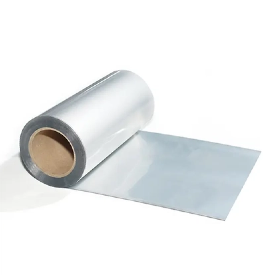
VCI films are an essential tool in the world of corrosion protection, offering an advanced and efficient way to keep metals free from rust and degradation. These films work through a combination of two mechanisms: direct contact protection and vapor-phase action. Together, they provide comprehensive corrosion protection, even in challenging environments and on intricate metal components.
The first mechanism that VCI films utilize is direct contact protection, which occurs when the metal parts are physically wrapped or enclosed in the VCI film. The film is specially formulated with Volatile Corrosion Inhibitors (VCI) that, when exposed to the air, vaporize into the surrounding atmosphere. As the metal part comes into direct contact with the VCI film, these vaporized inhibitors are adsorbed (temporarily bonded) to the surface of the metal.
This adsorption forms a thin, invisible molecular barrier that serves as a protective shield against rust and corrosion. The barrier prevents moisture, oxygen, and other corrosive elements from coming into contact with the metal surface, thereby stopping the electrochemical reactions that lead to corrosion. This layer of protection is not just physical but also molecular, making it highly effective at preventing corrosion over extended periods.
The benefit of direct contact protection is especially crucial in environments where high humidity or contaminants are prevalent. These environmental factors can accelerate the corrosion process, but the direct contact between the VCI film and the metal ensures that even the most exposed areas are protected. For example, when storing metal parts that will be exposed to moisture or dust, wrapping them in VCI film guarantees that the most vulnerable parts of the metal are shielded from corrosive elements.
Applications of Direct Contact Protection:
Storage and transportation: VCI films are often used to wrap metal components during long-term storage or shipment, ensuring that exposed surfaces remain corrosion-free.
Manufacturing and assembly: During production and assembly, VCI films can be used to protect newly manufactured parts or assemblies from corrosion before they are put into operation or sold.
The ability to provide direct protection to the exposed parts of the metal without affecting its functional properties makes VCI films an essential tool in many industries, from automotive manufacturing to aerospace engineering.
The second mechanism at play with VCI films is vapor-phase action, which is one of the most powerful and innovative aspects of VCI technology. When the metal parts are enclosed in a VCI film package, the VCI molecules not only bond to the parts in direct contact with the film but also vaporize into the surrounding air within the enclosed space. These vaporized molecules then travel throughout the entire space, creating a protective atmosphere that surrounds all metal components, even those not in direct contact with the film.
This is especially beneficial in scenarios where the metal part has intricate shapes or complex geometries, such as crevices, cavities, or small holes. In these situations, direct contact with the film is often limited or impossible. However, the vapor-phase mechanism ensures that every exposed surface of the metal, including hard-to-reach areas, is protected. The vaporized VCI molecules travel throughout the entire enclosed space, depositing a protective layer on even the most hidden or inaccessible parts of the metal.
In simple terms, the VCI vapor molecules form an invisible protective layer that prevents the electrochemical reactions responsible for rust. This process occurs continuously as long as the metal parts are sealed in the VCI packaging. Even in highly complex machinery or delicate electronic components with many nooks and crannies, the VCI molecules provide complete and consistent protection.
Once the VCI packaging is opened, the vapor-phase inhibitors evaporate harmlessly, leaving no residue behind. This ensures that the metal part is ready for immediate use without the need for any additional cleaning or treatment. The metal can be installed, painted, or treated as usual, without the risk of contaminating its surface or having to remove any rust-preventative coatings.
Applications of Vapor-Phase Action:
Electronics and delicate parts: For small, intricate components such as circuit boards or connectors, the vapor-phase mechanism ensures that every surface is protected, even in the narrowest spaces.
Aerospace and automotive industries: In industries where parts have complex shapes and internal cavities, VCI films ensure protection even for hard-to-reach areas.
Heavy machinery and industrial equipment: The vapor-phase protection helps safeguard large metal parts that have internal components or are exposed to a wide range of environmental conditions.
The vapor-phase action of VCI films also provides a distinct advantage when compared to other corrosion protection methods, such as liquid-based rust preventatives or coatings. These methods often cannot reach internal or hidden areas of metal components, requiring additional layers of protection or complex coating applications. VCI films, however, offer comprehensive coverage and eliminate these issues.
VCI films have revolutionized the way industries protect their metal parts from corrosion. With their ability to provide both direct contact and vapor-phase protection, these films offer comprehensive, long-lasting protection for metal components exposed to various environmental conditions. Whether you are in manufacturing, shipping, or storage, VCI films can help extend the lifespan of your metal products, reduce maintenance costs, and ensure the quality and functionality of your equipment.
With the variety of VCI film products available, it’s easier than ever to find a solution that meets the specific needs of your business. From VCI-126 films for general use to VCI-125 films for electronics and VCI-126 HP UV shrink films for outdoor protection, there is a VCI film solution for every application. Plus, their eco-friendly nature and recyclability make them a responsible choice for businesses committed to sustainability.
Explore the wide range of VCI film solutions and start protecting your metal parts today. Whether you need corrosion protection for short-term shipping or long-term storage, VCI films offer the reliable and cost-effective solution you need to keep your metal components rust-free and in top condition.


