
Views: 0 Author: Site Editor Publish Time: 2025-12-23 Origin: Site


The VPCI market was worth USD 950 million in 2023.
It may grow to USD 1,650 million by 2032 with a CAGR of 6.4%.
If you use VCI film, VCI Paper, or VCI bags from VCI EP NEW MATERIALS (SHANGHAI) CO., LTD., think about what kind of protection you need and how you will use corrosion blocking packaging.
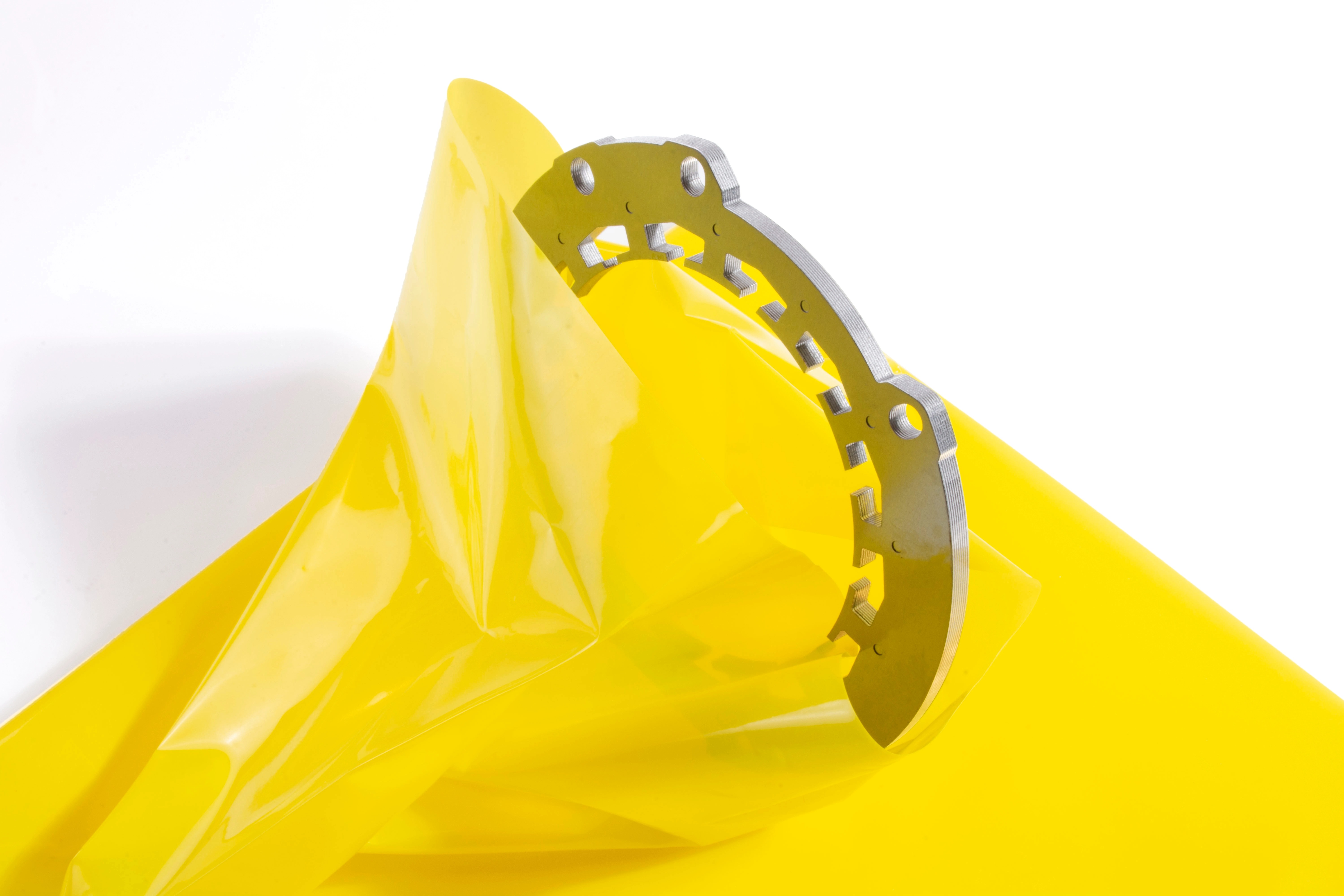
VCI is good for simple protection. It works well for most metals. It is easy to use. It does not cost much for short storage.
VpCI gives better protection. It sends vapor to small spaces. It is best for machines with many parts. It is good for long storage.
Think about the environment when you choose. VCI paper is good for nature and can be recycled. VCI films last longer but break down less easily.
Always pick the right way to stop rust for your needs. Think about what metal you have. Think about where you will store it. Think about how long you need protection.
Using VCI and VpCI together can give stronger protection for hard jobs. Use both for the best safety in tough places.
You might ask which one is better for your project. Let’s look at the main differences so you can decide what you need. Both VCI and vapor phase corrosion inhibitor stop corrosion, but they do it in different ways.
VpCI uses new technology. It sends the inhibitor to metal by vapor. You do not have to touch the metal. This makes VpCI good for places that are hard to reach. VCI, also called vapor corrosion inhibitor, usually needs to touch the metal. Both types help slow down corrosion, but VpCI is special because of how it works.
Here is a quick chart showing how each is used in different jobs:
Industry Sector | VCI Applications | VpCI Applications |
|---|---|---|
Oil and Gas | Stops corrosion inside pipelines | Coatings and treatments to make protective films |
Marine | Protects equipment during storage | Strong inhibitors for tough conditions |
Aerospace | N/A | Emitters to protect sensitive electronics |
You can see VCI is good for basic protection in storage and pipelines. VpCI is better for tough places and for electronics.
Both VCI and VpCI make a film on metal to protect it. VCIs use special chemicals to make this layer. They move through the air and stick to the metal. Studies show VCIs work better than nitrogen blanketing. Both types keep corrosion away, but VpCI’s vapor can reach places VCI cannot.
Which is better depends on your needs. You should think about what matters most for your metal protection. Here are some things to think about:
Tip: Always check if the solution fits your metal and storage needs.
Factor | Description |
|---|---|
Formulation | How well VCI works depends on how it is made and how fast it gives off vapor. |
Compatibility with alloys | Make sure the inhibitor works with your kind of metal. |
Packaging type | The way you close your package can change how well it protects. |
VCIs give off compounds that stick to metal.
They help keep the metal’s natural oxide layer strong.
The layer is invisible and does not change how the metal looks or works.
If you need to protect equipment in storage, VCI may be enough. If you have electronics or gear in tough places, vapor phase corrosion inhibitor may be better. Ask yourself, “Which is better for my metal and my environment?” That will help you choose.
You do not have to pick one just because it sounds fancy. Sometimes, simple VCI works well. Other times, you need the reach and power of vapor phase corrosion inhibitor. Think about your metal, your storage, and how much protection you want. That is how you find which is better for you.
You may wonder how vci keeps metal safe. VCI means vapor corrosion inhibitor. It works by letting out special molecules in the package. These molecules move through the air and land on your metal parts. They make a shield you cannot see. This shield stops water and other things that cause rust. You do not need to use sticky oils or grease. Just put your metal parts in the vci bag and close it tight. The protection starts right away and lasts as long as the bag is closed.
Tip: You do not need to clean your items after taking them out of vci packaging. They are ready to use!
VCI has many good things for stopping rust. It is fast and easy to use. You can keep metal safe for up to five years if you seal it right. VCI works for many metals like steel, cast iron, chrome, copper, brass, and zinc. You can use it for ferrous metals, non-ferrous metals, and some electronics too.
Here is a table that shows how vci is different from oils and greases:
Feature | VCI Products | Oils and Greases |
|---|---|---|
Application Ease | Clean and easy | Messy application |
Removal Process | No removal needed | Requires cleaning and removal |
Environmental Impact | Non-toxic | Potentially harmful |
Cost Effectiveness | More cost-effective | Generally more expensive |
You should use vci when you want simple and strong rust protection. It is good for storing metal parts, shipping things, or keeping tools safe. If you need to keep steel, copper, or brass from rusting, vci is a smart pick. You do not need extra steps or special cleaning. Just seal your items in vci packaging and let it protect them. VCI is great for busy shops, warehouses, and anyone who wants easy and strong protection.
You might wonder how vapor phase corrosion inhibitor keeps metal safe. VPCI uses special molecules that turn into vapor. These molecules float through the air inside the package or storage. They land on metal, even in places you cannot see. The inhibitor makes a thin, invisible layer on the metal. This layer blocks water and things that cause rust. If the layer gets messed up, it can fix itself. So, your metal stays safe, even in tight or hidden spots.
Tip: You do not need to cover every part with liquid. VPCI films send vapor all around inside the package.
Vapor phase corrosion inhibitor has many good points over old ways. You get better protection, longer-lasting safety, and it works for many metals. VPCI is good for copper, aluminum, and other non-ferrous metals. It is great for tough places where you need strong rust protection.
Here is a table that shows the main benefits:
Benefit | Description |
|---|---|
Enhanced Protection | VPCI gives strong protection, even in hard places. |
Longer Durability | VPCI keeps working for a long time, so it is good for storage or shipping. |
Multi-Metal Compatibility | VPCI protects many metals, like copper and aluminum. |
You can trust VPCI films to keep your parts safe during long trips or storage.
Use vapor phase corrosion inhibitor when you need to protect complex machines or parts. VPCI films work well for big machines, electronics, and parts with hidden spots. If you store things for a long time or ship them far, VPCI helps you worry less. The vapor covers every spot, so nothing gets missed.
Here is another table that explains how VPCI helps with tough jobs:
Feature | Description |
|---|---|
Vapor-phase inhibiting action | Makes a shield on all surfaces, even ones you cannot see, to stop rust. |
Self-replenishing | The shield can fix itself if it gets broken, so your metal stays safe. |
Cost-effective coverage | Gives full protection for big or tricky items without using too much. |
If you want easy and long-lasting rust protection for many metals, vapor phase corrosion inhibitor is a smart pick. You do not have to worry about missing a spot or cleaning off sticky stuff. VPCI films make your job easy and work well.
You may care about how packaging affects the earth. VCI paper is special because it comes from plants. It is USDA Certified Biobased. You can recycle grease resistant vci paper. It breaks down fast in nature. VCI films are made from plastic called polyethylene. They last longer but do not break down quickly. Many people now pick paper packaging to cut down on plastic waste. If you want to stop rust and help the earth, recyclable grease-resistant vci paper is a good choice.
Material Type | Biodegradability | Recyclability |
|---|---|---|
VCI Paper | High | Yes |
VCI Films | Low | Limited |
You want packaging that does more than block vapor. VCI paper gives a soft layer for parts like bearings. It can soak up extra water if it gets hot. VCI films are stronger and do not tear easily. They are good for heavy jobs. VPCI technology uses special films that last a long time. These films keep the inhibitor working for many days. If you need strong and lasting protection, vpci technology films are a smart pick.
VCI paper gives a cushion and soaks up water.
VCI films are tough and hard to rip.
VPCI technology films keep working for a long time.
You may wonder which packaging fits your needs best. VCI technology is simple to use and works for many metals. You do not need to clean off coatings after storage. VCI films and paper protect metals in warehouses, shipping, or toolboxes. VPCI technology films send vapor to hidden places. This makes them good for machines and electronics. You can use these films for long storage or shipping far away.
VCI paper bends and fits many shapes.
VCI films are strong and seal well.
VPCI technology films reach hard spots.
Cost is important when picking rust protection. VCI packaging costs less and is easy to use. You do not need extra steps to clean off coatings. VCI films and paper save time and money. VPCI technology films cost more because they last longer and protect better. If you need simple rust protection, vci packaging saves money. For hard jobs and long storage, vpci technology films may be worth more.
Tip: Pick the packaging that fits your budget and how strong you need it.
Both vci and vpci technology have good points. VCI technology is easy and saves money. VPCI technology films give better and longer protection. Think about your metals, storage, and budget before you choose.
Choosing between VCI and vapor phase corrosion inhibitor can feel tricky. You want to make sure your metal parts stay safe, but every situation is different. Let’s break it down with a simple table. This will help you match your needs to the right solution for your applications.
Decision Criteria | What to Consider | Best Fit for Applications |
|---|---|---|
Material Properties | What kind of metal do you need to protect? Some metals need special care. | VCI for common metals; vapor for mixed or sensitive alloys |
Size and Shape of Enclosed Area | Are your parts big, small, or have lots of hidden spots? | Vapor for complex shapes; VCI for simple parts |
Environmental Conditions | Is your storage area humid, salty, or dusty? | VCI for marine or tough environments; vapor for high humidity |
Duration of Storage or Shipping | How long do you need protection? Short trips or long-term storage? | VCI for short-term; vapor for long-term |
Protection Speed | Do you need fast action for sensitive equipment? | Vapor for quick coverage in tricky spots |
Tip: Always check the type of metal and the environment before you pick your protection. The right choice keeps your applications safe and saves you money.
You might wonder what works best for your real-life applications. Here are some common situations and what you should use:
Bearings and Greasy or Oily Parts
Bearings need both cushioning and rust protection. VCI paper gives a soft layer and helps soak up moisture. For greasy or oily parts, you can use lubricants that resist water. These work well in damp places.
If you want extra strength, try nickel plating or PTFE coatings. These add a tough shield against corrosion and chemicals.
Challenging Environments (Marine, High Humidity, or Salt Exposure)
Marine settings bring salt spray, humidity, and changing temperatures. VCI technology forms a strong barrier on metal surfaces. This helps protect both easy and hard-to-reach spots.
In high-humidity places, vapor phase corrosion inhibitor works well. It makes a thin film that pushes away moisture. This keeps your equipment safe, even when other methods fail.
For the toughest jobs, you can use specialty alloys like stainless steel or ceramics. These materials stand up to harsh chemicals and last a long time.
Complex Machines or Electronics
Some applications have lots of small spaces. Vapor technology sends protection into every corner. You do not have to worry about missing a spot.
VCI works for simple shapes, but vapor is better for complicated machines.
Long-Term Storage or Shipping
If you need to store or ship items for a long time, vapor phase corrosion inhibitor gives lasting protection. It keeps working, even if the package moves or shakes.
For short trips or quick storage, VCI is easy and cost-effective.
Environmental Concerns
Want to help the planet? Choose VCI paper. It comes from plants and breaks down fast. You can recycle it after use.
If you need a tough barrier, vapor technology films last longer but use more plastic.
Note: There is no one-size-fits-all answer. Think about your applications, the environment, and how long you need protection. Sometimes, you can even combine VCI and vapor for the best results.
Here’s a quick checklist to help you decide:
Need soft cushioning? Go with VCI paper.
Protecting electronics or complex machines? Pick vapor technology.
Storing in a humid or salty place? Use VCI or vapor, depending on the shape and size.
Want eco-friendly options? Choose VCI paper.
Shipping for a long time? Vapor phase corrosion inhibitor is your friend.
You can always ask your supplier for advice if you are not sure. The right choice keeps your applications safe from corrosion and saves you time and money.
You might ask if you can use VCI and vapor phase corrosion inhibitor at the same time. The answer is yes, you can. Sometimes, using both gives better safety for your metal parts. This is helpful if you store things for a long time or ship them far away. Both VCI and vapor phase corrosion inhibitor together can protect your items in tough places.
Some metals need more than one kind of shield. VCI is good when it touches the metal. Vapor phase corrosion inhibitor sends vapor to places you cannot see. When you use both, you get a strong shield and vapor help. This is great for places with lots of water or salt. You can keep bearings, electronics, and machines safe.
Here’s a table that shows how different things work together to stop rust:
Component | Description |
|---|---|
1 | Corrosion-inhibiting substances that evaporate or sublimate, ensuring protection against atmospheric corrosion. |
3 | An aromatic primary amide that aids in the adsorption of acids onto metal surfaces. |
5 | Benzimidazole, which inhibits atmospheric oxygen attack on metals, enhancing corrosion protection. |
Additional | The combination may include other vapor phase corrosion inhibitors like triazoles for specific applications. |
Tip: If you have harsh weather or need to store things for a long time, using both VCI and vapor phase corrosion inhibitor can help you worry less.
You want to make sure your metal gets the best protection. Here are some easy ways to use VCI and vapor phase corrosion inhibitor together:
Apply Products Correctly: Learn how vapor phase corrosion inhibitor film works. This helps you avoid mistakes and keeps your metal safe.
Check Packaging Integrity: Make sure your packaging is not broken during shipping. If it breaks, water can get in and hurt your metal.
Add Emitters for Extra Safety: Use a BioPad or another vapor phase corrosion inhibitor emitter. These give more vapor help, especially in hard places.
Test and Customize: Try test shipments. Find the best way to pack your items for your needs.
Here’s a table to help you remember these tips:
Best Practice | Explanation |
|---|---|
Proper Application | Understand how vapor phase corrosion inhibitor film works to avoid errors. |
Packaging Integrity | Keep packaging safe during shipping for full protection. |
Use of Additional Emitters | Add emitters for extra vapor-phase protection in tough places. |
Testing and Customization | Test and change packaging for your special shipping needs. |
Note: You can use VCI and vapor phase corrosion inhibitor in different ways for your project. Try new methods until you find what works best for you.
When you pick VCI or vapor phase corrosion inhibitor, you have many things to think about. VCI is simple and works fast. VPCI can protect places you cannot see and lasts longer. The best choice depends on your weather, chemicals around, and what metal you use. Look at this table to see what is important:
Factor | Description |
|---|---|
Climate | Wet air and salt make rust happen faster. |
Chemical Exposure | Strong chemicals can hurt metal quickly. |
Material Selection | Some metals do not rust as much. |
Coatings | Special coatings help keep metal safe. |
Regulations | Eco rules can change what you pick. |
There are new ideas like green formulas, smart packages, and digital tracking. Sometimes, using both VCI and VPCI gives the best protection. Think about what you need and pick what works for your project.
VCI protects metal by direct contact. VPCI sends vapor to reach hidden spots. You get better coverage with VPCI for complex shapes. VCI works well for simple parts.
Yes, you can combine both. This gives stronger protection for tough jobs. You cover more surfaces and get extra safety for long storage or shipping.
VCI paper comes from plants. You can recycle it. It breaks down fast in nature. If you care about the planet, VCI paper is a smart choice.
VPCI films keep working for months or even years. You get long-lasting safety for your metal parts. This is great for storage or shipping over long distances.
No, you do not need to clean your metal. Both VCI and VPCI leave no sticky mess. Your parts come out ready to use.


