
Views: 0 Author: Site Editor Publish Time: 2026-10-22 Origin: Site


Dealing with corroded metal is a massive financial drain for facility managers, automotive restorers, and heavy equipment operators. Oxidation is relentless. Left untreated, iron oxide destroys structural integrity and creates severe safety hazards. A common, yet fatal, mistake on job sites is painting directly over the decay. This merely masks a growing cancer. The corrosion continues to expand beneath the fresh coat. Eventually, the new paint blisters, cracks, and peels away in jagged flakes.
Instead of ripping out and replacing expensive components, savvy maintenance teams utilize a high-performance rust converter. This specialized chemical formulation does more than cover the damage. It actively transforms the decay into a stable, paintable shield that halts further degradation. While the chemical itself is highly effective, the true secret to permanent metal protection lies in the application methodology. Today, we will break down the field-tested science behind the process and share five evidence-based tips to treat your metal assets properly.
Chemical Transformation: These formulas do not just cover up oxidation. They chemically alter iron oxide into a stable polymeric barrier.
Targeted Surface Preparation: Removing loose debris is mandatory. However, a tightly bonded layer of rust must remain intact to trigger the chemical reaction.
Environmental Variables: Optimal curing requires strict adherence to temperature and humidity guidelines during application.
Eco-Friendly Alternatives: Modern water-based formulas deliver industrial-grade protection without the hazardous volatile organic compounds found in traditional solvents.
Mandatory Topcoats: To ensure permanent structural integrity, the converted surface must always be sealed with a weather-resistant topcoat.
Industrial asset management is undergoing a massive shift. Historically, facilities relied on reactive maintenance. They waited for equipment to severely corrode before using highly toxic, solvent-based chemicals to strip the damage. Today, stricter environmental regulations and rigorous worker safety mandates are pushing out these harsh methods. The trend has firmly pivoted toward proactive, sustainable remediation.
Facility managers are increasingly prioritizing low-VOC, water-based solutions. These modern formulas deliver high operational efficiency without a massive ecological footprint. This transition reflects a deeper understanding of lifecycle costs. Investing in safe chemical conversion early prevents the exorbitant expenses of structural welding, part replacement, and prolonged operational downtime. The modern standard demands products that protect the metal infrastructure and the environment simultaneously.
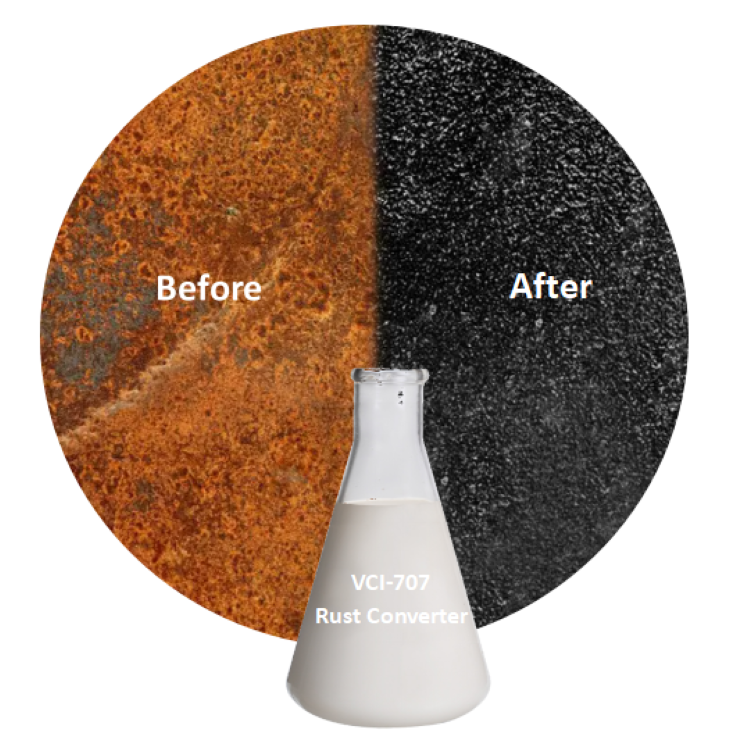
Before applying any chemical treatment to valuable steel assets, you must understand the underlying science. When ambient moisture and oxygen hit bare metal, an electrochemical reaction creates iron oxide. If ignored, this process continuously consumes the substrate.
A conversion treatment halts this degradation immediately through a direct chemical reaction. High-quality commercial formulas blend active ingredients, like tannic acid or phosphoric acid, with advanced organic polymers. Let us look at the actual parameters of a premium water-based rust converter paint. A top-tier industrial product typically features a VOC content of less than 15g/L, a pH level optimized for deep penetration, and a non-flammable profile. When brushed or sprayed onto an oxidized surface, these acids react intimately with the iron oxide. They convert it into iron tannate or iron phosphate. Consequently, this newly formed compound creates a dark, highly protective barrier that strongly adheres to the healthy base metal.
From an operational standpoint, this chemical approach surpasses mechanical removal entirely. Imagine spending hours grinding down a tractor chassis, only to miss a tiny crevice where oxidation silently continues. Chemical conversion eliminates the need for laborious media blasting. It is particularly advantageous for complex geometries, pitted surfaces, and hard-to-reach areas where mechanical tools simply cannot penetrate.
Many facility managers and DIY enthusiasts confuse conversion treatments with traditional rust removers. While both address oxidation, their mechanisms and ideal use cases differ significantly. Selecting the wrong chemical leads to wasted labor and flash rusting. Below is a direct comparison to guide your maintenance strategy.
| Feature | Rust Converter | Rust Remover |
|---|---|---|
| Mechanism | Chemically transforms rust into a stable polymeric primer. | Dissolves and strips oxidation to expose bare metal. |
| Ideal Use Case | Large structural steel, vehicle frames, fences, immobile machinery. | Small hardware, bolts, tools that can be submerged in a bath. |
| Surface Prep | Requires tightly bonded rust to remain intact for the reaction. | Requires heavy scrubbing and washing post-treatment. |
| Post-Treatment | Acts as its own primer. Ready for topcoat after curing. | Highly vulnerable to ambient moisture. Requires immediate priming. |
Achieving a durable, professional-grade finish requires strict methodology. Hasty application leads to coating failure. Follow these five field-tested tips to ensure optimal adhesion and long-term durability.
The most frequent point of failure in metal restoration is overzealous surface preparation. The golden rule of this chemical process is that the formula requires the presence of iron oxide to function. Using a stiff wire brush or a metal scraper, manually remove only the loose, flaky, and scaling debris. Your goal is to create a smooth, solid base. Do not grind the surface down to shiny, bare metal. If you strip away all the oxidation, the active acids will have nothing to react with. The product will dry as a weak film that eventually peels off. Leave the tightly bonded rust exactly where it is.
Even with the loose flakes removed, the surface is not yet ready. Hidden contaminants destroy chemical adhesion. Oil, grease, industrial lubricants, and compacted road grime act as impenetrable barriers. If these are present, the liquid cannot penetrate the porous oxidized metal. Utilize a heavy-duty industrial degreaser to meticulously clean the targeted area. Scrub the surface to lift any hidden oils, then rinse it well. Crucially, ensure the metal is completely dry before applying the treatment. Excess surface water dilutes the formula and severely reduces its efficacy.
Application technique dictates the strength of the cured barrier. Depending on the viscosity of the liquid, you can use a synthetic bristle brush, a foam roller, or an airless sprayer. To prevent disastrous cross-contamination, always pour the required amount of liquid into a separate, clean container. Never dip a used brush back into the original bottle. The microscopic iron particles transferred from the brush will instantly activate the remaining product, rendering it useless for future projects. Apply two thin, even coats rather than one thick layer. Allow the first coat to flash off for about 20 to 30 minutes before applying the second.
Chemical reactions are highly sensitive to their environment. Ignoring temperature guidelines compromises the integrity of the barrier. Ideal application temperatures fall between 50°F and 90°F. Avoid applying the solution in direct, blistering sunlight. Heat causes the liquid to flash-dry before the chemical penetration is complete. Similarly, freezing temperatures halt the reaction entirely. Understand the difference between drying and curing. The surface might feel dry to the touch within an hour, but the complete chemical transformation into a stable polymer requires a full 24 to 48 hours.
A prevalent misconception is that a conversion treatment acts as a standalone protective layer. In reality, it functions strictly as a highly effective primer. While the cured black barrier is stable, it is not completely impervious to prolonged UV exposure or standing water. To establish a permanent line of defense, you must seal the converted surface. Apply an oil-based enamel, a two-part epoxy, or a specialized polyurethane metal paint. This final topcoat blocks moisture penetration and maximizes the lifespan of the treated asset.
How do you choose the right product for your facility? Look directly at the technical specifications rather than marketing claims. When evaluating options, prioritize these three critical parameters. First, check the viscosity. The liquid must be thin enough to penetrate deep pitting but thick enough to cling to vertical steel beams without excessive dripping. Second, verify the VOC levels. Opt for water-based formulas with ultra-low VOCs to comply with indoor safety standards and protect your workforce. Finally, assess the adhesion strength. The cured film must bond seamlessly with both the remaining rust and the subsequent topcoat.
Using a dedicated metal rust treatment ensures you hit all these benchmarks. Modern formulations provide industrial-grade adhesion that rivals traditional toxic alternatives, ensuring effective remediation while maintaining rigorous safety standards.
Treating existing corrosion is only the first step in comprehensive asset management. To maximize the durability of infrastructure and fleet vehicles, proactive maintenance strategies must be implemented year-round. Routine visual inspections are critical. Metal assets should be evaluated annually for rock chips, deep scratches, or abrasive wear. Catching these minor vulnerabilities early allows for quick spot-treatments before oxidation silently spreads beneath the paint.
Furthermore, layering protective methods significantly extends the lifespan of metal assets. When you integrate a conversion treatment into your maintenance routine alongside proper anti-corrosion packaging, such as VCI films for sensitive parts in storage, you create a multi-tiered defense system. From a financial perspective, this proactive approach yields a massive return on investment. It saves organizations thousands of dollars in structural replacement.
Yes. Once the formula has fully cured, typically requiring 24 to 48 hours, it functions as an excellent, stable primer. You absolutely should apply a high-quality topcoat paint directly over the cured surface to ensure maximum weather resistance and durability.
No. These specific chemical formulations require the presence of iron oxide to trigger the necessary reaction. If applied to clean, shiny bare metal, the liquid will not convert properly. This results in a weak film that is highly susceptible to peeling. Always use a standard etching primer for bare metal surfaces.
When applied according to manufacturer specifications and properly sealed with a weather-resistant topcoat, a conversion treatment can last for many years. It effectively halts the existing corrosion process and extends the structural life of the metal indefinitely under normal conditions.
Generally, no. Most high-quality products are designed to be painted over directly once fully dried and cured. However, if you notice a powdery white or gray residue on the surface after the 48-hour mark, simply wipe it away with a damp cloth. Let the surface dry completely before applying your topcoat.
Absolutely. Advanced water-based formulations provide industrial-strength chemical conversion and exceptional adhesion. They offer the added operational benefits of being non-flammable, exceptionally low in volatile organic compounds, and easy to clean up with water.
It is highly recommended to grind away the cured converter coating before welding. Welding over the polymeric barrier will produce toxic fumes, contaminate the weld pool, and result in a weak, porous joint. Always prep the specific weld zone down to clean, bare steel.
Applying the product in temperatures below 50°F will severely slow down or completely halt the chemical reaction. If the ambient temperature drops to freezing, the water-based formula will freeze and fail to cure, rendering the treatment useless. Always check the weather window for the full 48-hour curing period.
Dealing with corrosion does not have to result in the expensive, frustrating replacement of metal assets. By understanding the chemical mechanics of oxidation and utilizing a targeted approach, you can effectively stop degradation in its tracks. Proper surface preparation, precise application, and the mandatory use of a topcoat are the foundational pillars of successful metal restoration.
Stop letting corrosion eat away at your bottom line. Ripping out structural steel is a massive waste of resources. By integrating an advanced water-based rust converter into your maintenance routine, you lock out moisture and preserve your equipment for decades. Visit VCI Plus Packing today to explore industrial-grade solutions tailored for heavy-duty metal protection. Secure your assets and upgrade your corrosion management strategy now.


