
Views: 0 Author: Site Editor Publish Time: 2026-11-01 Origin: Site


Does metal rust ruin your shipments? It is a frustrating reality. Every year, industrial manufacturers and global shippers lose billions of dollars to damaged goods, rejected deliveries, and wasted labor. Traditional methods of preventing this oxidation have historically been messy, inefficient, and time-consuming.
Fortunately, VCI Film solves this age-old problem. Standing for Volatile Corrosion Inhibitor, this modern technology offers a clean, dry, and highly effective alternative to legacy rust prevention techniques. You no longer need to rely on thick grease to keep your metal parts pristine.
In this comprehensive engineering guide, we will break down the science behind vapor corrosion inhibition. You will learn the operational benefits, discover how it compares to traditional oils and desiccants, and gain actionable insights on selecting the exact formulation for your manufacturing needs.
Key Takeaways:
Innovative Shielding Technology: Advanced chemical formulations are infused directly into polymer plastics. These chemicals vaporize to create an invisible, molecular-level shield around metal components.
Operational Efficiency: Using this advanced packaging eliminates the need for labor-intensive rust prevention methods. You can skip the tedious process of applying and washing off heavy oils.
Continuous Protection: The material provides uninterrupted defense for both ferrous and non-ferrous metals. It performs exceptionally well during long-term warehousing and harsh ocean freight conditions.
Cost Reduction: High-quality anti-rust plastics significantly reduce labor expenditures. They mitigate product loss and present a safer, eco-friendly alternative to toxic rust preventative liquids.
To appreciate how modern packaging mitigates rust, we must first understand the mechanics of metal oxidation. Rust is an electrochemical process. It occurs the moment bare metal is exposed to oxygen and moisture. Volatile Corrosion Inhibitors are specifically engineered to interrupt this exact chemical reaction at the molecular level.
During manufacturing, specialized inhibiting chemicals are intricately blended into polyethylene resin. This mixture is then thermally extruded into a flexible plastic. This process ensures that the active rust-inhibiting compounds are evenly distributed throughout the entire material. These proprietary formulations are safe for human handling, yet highly aggressive against the electrochemical cells that cause rust.
Unlike topical coatings that sit heavy on the surface, the active ingredients embedded in the plastic are volatile. They possess a natural tendency to transition from a solid state within the polymer matrix into a vapor. This controlled, sustained release is the secret to the material's effectiveness. It guarantees a steady emission of protective molecules over an extended timeframe.
How does this vapor actually protect the metal? The core mechanism relies on a continuous vaporization and condensation cycle. Once a metal part is enclosed within the packaging, the inhibitors release a protective vapor into the trapped airspace. This vapor travels freely. It reaches every exposed surface, effortlessly penetrating deep blind holes and internal cavities that brush-on oils miss.
Subsequently, the vapor condenses on the metal, forming an invisible protective layer just one molecule thick. This monomolecular barrier is incredibly thin but robust. It actively passivates the metal surface, repelling moisture, salt, airborne dirt, and oxygen. As long as the package remains sealed, the internal vapor pressure stabilizes, and the protective layer continuously replenishes itself.
Transitioning to modern corrosion management offers a massive return on investment. It provides distinct operational advantages for industrial manufacturers, automotive suppliers, and global logistics providers.
One of the most significant advantages of this technology is its ability to protect highly complex geometries. Traditional rust preventative oils often fail to reach deep crevices, intricate machined threads, and internal gear mechanisms. Because the protective medium here is a gas, it effortlessly diffuses throughout the entire enclosed space. The gas-phase molecules ensure comprehensive, 360-degree protection that liquid coatings simply cannot replicate.
Picture an assembly line worker dealing with traditional grease. Their hands are covered in slick oil. They spend valuable minutes degreasing a single component with harsh solvents before assembly. This historical "grease and degrease" methodology is a massive production bottleneck.
In contrast, using anti-rust VCI film allows for immediate, plug-and-play use. When parts are removed from the bag, they are entirely clean, dry, and ready for immediate installation. Eliminating secondary chemical washing processes saves countless hours of manual labor. It accelerates production timelines and drastically reduces hazardous waste disposal costs.
Industrial safety is a critical concern in modern manufacturing. Traditional rust-preventative liquids and petroleum-based solvents are frequently hazardous and flammable. They often require specialized factory ventilation systems. High-quality anti-rust plastics, however, are non-toxic. Workers can handle them continuously without needing specialized personal protective equipment like respirators or heavy aprons. Furthermore, the polyethylene base material is widely recyclable.
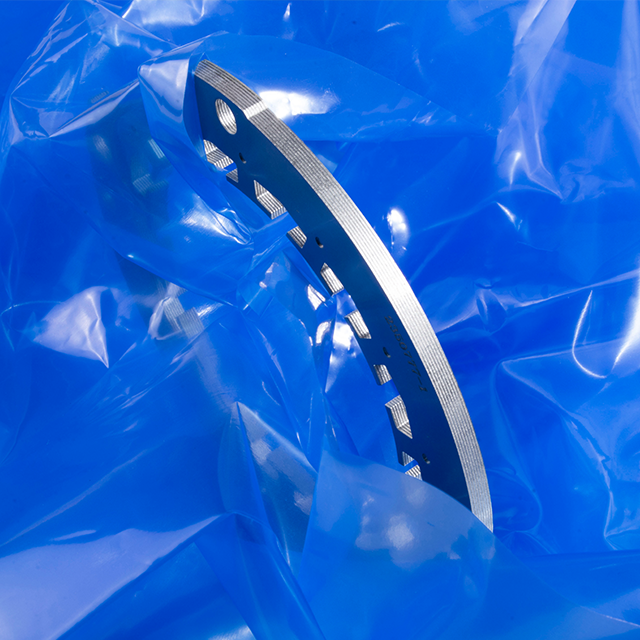
The industrial sector requires diverse packaging formats. Components range from microscopic bearings to massive wind turbine shafts. Manufacturers have developed various solutions to suit these highly specific dimensional needs.
For small to medium-sized parts, pre-formed bags are the industry standard. These include flat poly bags, zip-lock bags, and gusseted bags that expand to accommodate bulky items. They are the ideal choice for packaging automotive brake rotors, machined gears, and stamped electrical contacts. Workers simply drop the clean part inside, seal the top, and the passivation process begins instantly.
When securing large, bulky items, flexible wrapping solutions are mandatory. Utilizing high-strength VCI film stretch wrap is perfect for heavy machinery, export pallets, and massive steel coils. The stretch film tightly binds palletized goods together while emitting protective vapors. This prevents shifting during transit and stops rust in a single step. Shrink wrap, when heated, conforms tightly to irregular shapes, providing a heavy-duty barrier for equipment stored outdoors.
While polymer barriers provide excellent primary defense, highly aggressive environments require reinforcement. Kraft paper or rigid emitters can be placed inside the packaging alongside the plastic. These complementary products accelerate the saturation of the enclosed airspace. They act as a booster shot of protection during long, unpredictable transport routes.
Identifying the precise scenarios where metal assets are most vulnerable is key to implementing a proactive preservation strategy.
Sea transit represents one of the most hostile environments imaginable for bare metal. Cargo ships are constantly bombarded by salt-laden air, a powerful electrolyte that accelerates rust. Furthermore, as shipping containers cross different global climate zones, fluctuating temperatures cause severe condensation inside the container. This destructive phenomenon is known as "container rain." Vapor inhibitor technology serves as the ultimate defense here, neutralizing the corrosive effects of trapped moisture.
Inventory management often requires parts to sit in storage facilities for extended periods. Whether it is an aftermarket spare part or a strategic reserve of aerospace materials, parts can remain warehoused for years. When properly sealed according to manufacturer guidelines, premium packaging preserves metals for up to 5 years, ensuring they remain in factory-new condition.
Currently, the industrial packaging sector is undergoing a massive transformation. Driven by strict environmental regulations like the REACH directive in Europe and tighter EPA guidelines in North America, manufacturers are aggressively phasing out volatile organic compounds and petroleum-based rust preventatives. The market is trending heavily toward dry, non-toxic packaging solutions. This shift not only helps facilities meet corporate ESG targets but also future-proofs supply chains against increasingly stringent chemical handling laws.
To truly understand the value proposition of modern packaging, we must conduct a direct, objective comparison with legacy methods.
Rust preventative oils function by creating a physical, viscous barrier between the metal and the atmosphere. While effective in certain heavy-duty applications, they are fundamentally flawed in fast-paced logistics. Applying oils requires spray booths or dipping tanks, generating hazardous fumes. Removal requires chemical baths and manual scrubbing. Conversely, active dry packaging requires only seconds to apply and zero seconds to remove.
Desiccants, such as silica gel packets, are frequently used to control moisture. However, desiccants only absorb ambient humidity; they do not actively prevent the electrochemical reaction of rust. More importantly, desiccants have a finite capacity. Once a silica packet becomes fully saturated, it ceases to function entirely, leaving the metal completely vulnerable. Vapor inhibitors actively passivate the metal and continuously replenish the protective environment.
| Feature / Metric | VCI Packaging | RP Oils & Greases | Desiccants (Silica Gel) |
|---|---|---|---|
| Protection Mechanism | Active molecular passivation | Physical viscous barrier | Passive moisture absorption |
| Application Time | Very Fast (Seconds) | Slow (Dipping/Spraying) | Fast (Drop-in) |
| Removal Required? | No (Ready to use) | Yes (Solvent cleaning needed) | No (Discard packet) |
| Duration of Protection | 2 to 5 Years | 6 months to 2 Years | Limited (Fails upon saturation) |
| Environmental Impact | Low (Recyclable, Non-toxic) | High (Hazardous waste) | Low (Generally safe) |
Selecting the appropriate packaging is not a one-size-fits-all process. Proper specification requires a systematic evaluation of material compatibility, supply chain environments, and regulatory compliance. Making an evidence-based decision ensures maximum efficacy while optimizing your packaging budget.
The fundamental step in selecting a blue corrosion protection VCI film is identifying the metallurgical composition of your components. Because the inhibitors function through specific chemical interactions, the formulation must match the metal substrate.
Ferrous Formulations: Engineered specifically for iron, cast iron, and carbon steel. These target the oxidation pathways of iron-based materials to neutralize red rust.
Non-Ferrous Formulations: Designed for aluminum, copper, brass, and zinc. Non-ferrous metals corrode differently, often forming white rust or tarnishing, which requires distinct inhibiting compounds.
Multi-Metal Formulations: Formulated with a blended chemistry to protect complex assemblies containing both ferrous and non-ferrous components, such as an engine block with aluminum pistons and copper wiring.
The physical properties of the polyethylene carrier must withstand the mechanical stresses of your supply chain. Standard industrial films typically feature a distinctive blue tint for easy identification and are manufactured from high-grade PE materials. Thickness is measured in mils. A thicker barrier provides a lower Moisture Vapor Transmission Rate, restricting the ingress of external moisture while retaining protective vapors.
| Storage / Transit Condition | Estimated Duration | Recommended Thickness |
|---|---|---|
| Indoor, Climate Controlled | 1 - 6 Months | 2 mil (50 microns) |
| Indoor, Non-Climate Controlled | 6 - 12 Months | 3 - 4 mil (75-100 microns) |
| Export / Ocean Freight | 1 - 3 Years | 4 - 6 mil (100-150 microns) |
| Long-Term Preservation | 3 - 5+ Years | 6+ mil or Barrier Laminates |
The efficacy of any corrosion prevention strategy relies heavily on the manufacturer's quality control. Procurement teams should demand empirical data to verify performance claims. Look for products that comply with international standards. Certifications such as RoHS, REACH compliance, and adherence to established military specifications ensure that you receive highly reliable, non-toxic packaging tailored to your exact chemical requirements.
Although often accepted as an inevitable cost of doing business, metal corrosion is an entirely preventable expense. By implementing proper packaging strategies, manufacturers can maintain their valuable assets in pristine condition, regardless of harsh storage environments or grueling international transit routes. Upgrading to volatile corrosion inhibitor technology is a strategic investment. It rapidly pays for itself by drastically reducing rejected parts, eliminating hazardous chemical waste, and slashing manual labor costs.
If you are ready to modernize your logistics workflow, eliminate messy grease, and keep your shipments rust-free, it is time to make the switch. Visit VCI Plus Packing to explore our full range of high-performance corrosion protection solutions, and match the exact specifications required for your industrial applications today.
Yes, their effectiveness is well-documented through rigorous empirical testing and decades of field application across the automotive, aerospace, and heavy machinery sectors. The underlying mechanism relies on the continuous vaporization of inhibiting compounds that saturate the enclosed airspace. Independent laboratory tests consistently demonstrate that properly formulated materials provide a highly effective barrier against rust when used within their specified operational parameters.
The functional lifespan depends on the storage environment, the thickness of the polyethylene carrier, and the integrity of the package seal. Under optimal conditions, such as a climate-controlled warehouse with an unbroken seal, protection can easily extend from two to five years. In more aggressive environments, the duration may be shorter unless compensated for by using a heavier gauge material.
Yes, meticulous surface preparation is a critical prerequisite for optimal performance. The inhibiting molecules must make direct contact with the bare metal to form the protective layer. Intermediary substances like dirt, machining coolants, or human fingerprints act as a barrier. Human sweat is particularly detrimental, as it contains chlorides that rapidly accelerate localized corrosion. Always ensure parts are clean and dry before sealing.
Absolutely. High-quality anti-rust films are typically manufactured from low-density polyethylene, which is a widely accepted and fully recyclable material. Because they do not rely on heavy metals, toxic nitrites, or volatile organic compounds, they represent a significantly greener alternative to traditional petroleum-based rust preventative oils. This makes them an excellent choice for companies striving to meet strict ESG sustainability targets.
To achieve maximum protection, the packaging must create a relatively airtight environment to trap the protective vapors inside. The most reliable method is using an industrial impulse heat sealer, which creates a permanent, airtight weld across the plastic. If a heat sealer is not available, tightly folding the opening over multiple times and securing it with heavy-duty packaging tape is an acceptable alternative for short-term storage.
Modern formulations manufactured by reputable entities are engineered to be non-toxic and safe for occupational handling. Unlike traditional rust preventatives that rely on hazardous, flammable solvents, modern dry packaging is typically free of heavy metals and nitrites. Workers do not require specialized personal protective equipment during the packaging processes. Standard industrial hygiene practices, such as washing hands before eating, are perfectly sufficient.
The integrity of the physical barrier is paramount. A puncture allows the concentrated protective vapors to escape into the surrounding atmosphere while permitting the ingress of external moisture. If a minor puncture occurs, the localized concentration of inhibitors will decrease, potentially leaving the metal vulnerable. In the event of known damage, the best practice is to immediately patch the tear with compatible industrial tape to restore the hermetic environment.


