
Views: 0 Author: Site Editor Publish Time: 2026-10-22 Origin: Site


Imagine opening an export container in a humid coastal port, only to find a freshly machined batch of engine blocks covered in a fine layer of orange oxidation. Rust and corrosion silently destroy millions of dollars in shipped metal assets every single year. For industrial manufacturers and global exporters, struggling to halt this costly degradation is a familiar, frustrating battle. When evaluating your packaging strategy, the core engineering dilemma often boils down to a single choice: should you rely on traditional wet rust prevention, or pivot to modern dry preservation?
Choosing between these two methodologies is notoriously tough, especially when production schedules are tight. In this comprehensive guide, we will compare dry and wet solutions head-to-head. By exploring their underlying chemistry, operational pros and cons, and real-world testing protocols, you will learn exactly which solution wins out for your specific supply chain needs.
Before diving into complex technical specifications and time-motion studies, here is a high-level summary of what supply chain managers and packaging engineers need to know:
Active Molecular Defense: Volatile Corrosion Inhibitors (VCI) function by emitting specialized compounds that condense into an invisible, protective layer on metal surfaces, effectively locking out moisture and oxygen.
The Dry Advantage: Utilizing a VCI Powder Bag provides a highly efficient, clean, and dry preservation method. It is the ultimate choice for enclosed shipping crates, deep internal piping, and sensitive electronic control panels.
The Wet Alternative: Fluid options—such as heavy oils, solvent-based sprays, and water-based coatings—deliver robust external barrier protection and necessary mechanical lubrication. However, they carry the heavy burden of labor-intensive degreasing prior to part assembly.
Application-Driven Selection: Your optimal choice relies heavily on the physical geometry of your product, subsequent manufacturing processes, and increasingly strict environmental compliance mandates.
Empirical Validation: Implementing standardized testing procedures, including Vapor Inhibiting Ability (VIA) tests and salt spray chamber evaluations, remains critical to verifying that your selected method performs reliably under punishing real-world transit conditions.
To make an objective, informed decision between powders and fluids, one must first understand the underlying physical chemistry of this technology. Unlike traditional barrier coatings that simply attempt to physically block water, vapor-phase technology actively alters the electrochemical environment on the surface of the metal itself.
The core mechanism relies entirely on sublimation and vaporization. These engineered compounds transition from their initial solid or liquid state into a protective vapor at ambient room temperatures. Once released into a sealed packaging environment, these gas-phase molecules disperse evenly, saturating the trapped airspace. Upon contacting a cooler metal surface, the molecules adsorb onto the substrate, condensing to form a continuous, invisible monomolecular shield. While this layer is microscopic—typically only a few molecules thick—it provides profound electrochemical passivation.
Corrosion is fundamentally an electrochemical process requiring four distinct elements: an anode, a cathode, a metallic pathway for electrons, and an electrolyte. Condensation containing ambient atmospheric salts is a prime example of such an electrolyte. The molecular layer acts as a targeted disruptor. It passivates the metal, altering its pH and rendering it highly hydrophobic. By physically and chemically blocking electrolytes from interacting with the anodic and cathodic sites, the oxidation process is halted before rust can even initiate.
From an engineering standpoint, one of the most significant advantages of this technology is its dynamic equilibrium. The protective micro-climate is entirely self-replenishing. For instance, if a customs inspector briefly opens a shipping crate and then reseals it, the vapor that escaped into the atmosphere is quickly replaced. The active source material continues to emit molecules until the enclosed space reaches saturation once again, effectively "healing" the invisible shield on the metal parts.
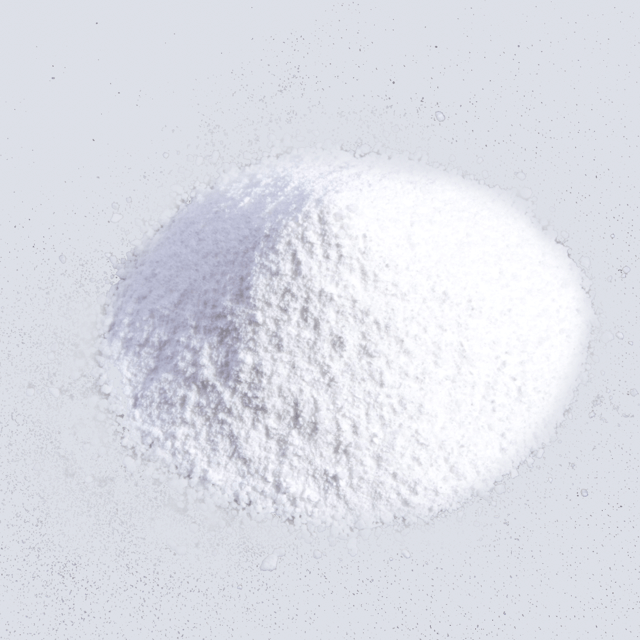
For modern industries seeking a clean, dry, and highly efficient preservation method, dry crystalline formulations have rapidly become the standard specification. They completely eliminate the greasy mess associated with legacy rust preventatives while providing superior, deep-reaching protection.
At its core, the dry formulation is a crystalline chemical blend designed to emit corrosion-inhibiting vapors at a highly controlled rate. Because it exists in a pure, concentrated solid state, it boasts a high vapor pressure. This allows it to rapidly saturate massive enclosed volumes, such as the interior of an export container. The formulation typically consists of amine carboxylates or similar proprietary compounds that excel at passivating both ferrous and non-ferrous metals.
While loose crystals could theoretically be fogged directly into large tanks, the most practical and widely adopted delivery system for industrial logistics is the pouch format. A standard VCI 300 Powder Bag utilizes a specialized, breathable membrane—often constructed from medical-grade Tyvek or advanced non-woven fabrics. This engineered membrane serves a critical dual purpose. Specifically, it securely traps the raw crystals to prevent particulate contamination on pristine metal surfaces, while its microscopic pores allow the protective gas to escape freely into the packaging environment.
Zero Cleanup: The primary economic driver for adopting this method is the total elimination of post-shipping processing. Components remain completely dry. Upon unpacking, a part is ready for immediate robotic welding, painting, or final assembly without a costly detour through an alkaline wash station.
Deep Penetration: Because the protection travels as a gas, it naturally diffuses into hard-to-access voids, blind threaded holes, intricate cooling channels, and complex geometric cavities that fluid sprays simply cannot reach.
Eco-Friendly & Safe: Modern dry formulations are engineered to be environmentally responsible. They are overwhelmingly non-toxic, free of heavy metals, nitrites, and halogens. This makes them exceptionally safe for warehouse personnel to handle and significantly easier to dispose of compared to hazardous chemical drums.
While dry solutions dominate enclosed crating, fluid-based inhibitors represent the traditional approach to rust prevention, albeit upgraded with modern vapor-emitting chemistry. These solutions are created by blending active compounds into various liquid carrier mediums.
Wet rust preventatives encompass a broad category of industrial coatings. They typically fall into three distinct classifications based on their carrier fluid:
Oil-Based: Mineral oils infused with active inhibitors, offering heavy-duty water displacement and long-term barrier endurance.
Solvent-Based: Fast-drying carriers that evaporate to leave behind a thin, waxy, or tactile film on the metal substrate.
Water-Based: Environmentally preferred sprays that utilize water to deliver the active chemicals, leaving a dry-to-the-touch residue once fully evaporated.
Dual-Action Defense: These fluids provide a two-tiered defense mechanism. The heavy oil or resin acts as a physical contact barrier against bulk water and corrosive atmospheric fallout. Meanwhile, the infused chemicals provide localized passivation where the physical barrier might thin out.
Mechanical Lubrication: For moving assemblies—such as heavy-duty gearboxes, exposed bearings, and industrial drive chains—oil-based inhibitors are highly beneficial. They provide necessary operational lubrication simultaneously with transit rust prevention.
Open-Air Resilience: Unlike vapor-phase products, which require an airtight enclosure to trap the gas, heavy fluid coatings can protect structural steel or oversized assets stored in open-air laydown yards by relying heavily on their physical barrier properties.
Picture a newly arrived engine block on a busy automotive assembly line. If it is slathered in protective grease, it cannot proceed to the painting booth. The most significant operational bottleneck with wet solutions is removal. Before a coated metal part can be integrated into a clean workflow, the waxy residue must be stripped away. This demands labor-intensive washing, toxic solvent degreasing, and subsequent drying processes. Furthermore, applying these fluids via dipping tanks or manual spraying creates slippery warehouse floors, necessitates extensive personal protective equipment (PPE), and generates hazardous volatile organic compound (VOC) emissions.
To assist packaging engineers in making an objective, data-driven decision, the following analysis breaks down the total impact of both solutions across critical operational metrics.
| Evaluation Criteria | Dry Vapor Solutions | Fluid Oils & Coatings |
|---|---|---|
| Application Method | Drop-in placement (Takes seconds per unit) | Spraying, brushing, or dipping (Takes minutes per unit) |
| Post-Treatment | None. Parts are dry and ready to use immediately. | Requires labor-intensive solvent degreasing or alkaline washing. |
| Ideal Geometry | Internal voids, complex cavities, sealed crates, electronics. | Exposed surfaces, moving gears, simple exterior geometries. |
| Environmental Impact | Low. Highly compliant with RoHS/REACH directives. | Moderate to High. May contain VOCs; requires chemical waste disposal. |
| Primary Cost Driver | Upfront unit cost of the packaging materials. | Hidden labor costs (application/removal) and hazardous waste disposal. |
Time-motion studies conducted in high-volume export facilities consistently reveal stark differences in application times. Deploying a dry solution requires a worker to simply calculate the required dosage based on container volume and toss the appropriate number of packets into the enclosure before sealing. In contrast, applying a fluid requires setting up ventilated spray booths, ensuring uniform surface coverage, and allowing for extensive drain-off time.
Moreover, the concept of "plug and play" readiness is a major driver for modern lean manufacturing. Dry methodologies ensure that a machined component shipped halfway across the world can be immediately bolted onto a chassis. Fluid methods introduce a mandatory, messy cleaning phase that delays production schedules and introduces the risk of flash-rusting if the washing effluent is not managed perfectly.
Understanding theoretical differences is important, but practical application dictates procurement. Dry preservation excels in specific logistical scenarios where fluids would be either detrimental or physically impossible to apply.
Heavy industrial equipment often harbors massive internal volumes that act as condensation traps during ocean transit. Consider the intricate interiors of industrial boilers, shell-and-tube heat exchangers, or a 50-foot coiled pipe. Spraying heavy oil inside these structures is nearly impossible and guarantees pooling. Suspending a VCI 300 Powder Bag inside these voids ensures the protective gas diffuses uniformly, safeguarding every square inch of the internal surface without leaving a drop of residue.
Modern industrial machinery is heavily integrated with sensitive PLCs (Programmable Logic Controllers), switchgears, and copper wiring terminals. Applying a wet rust preventative to a printed circuit board would cause catastrophic short circuits and immediate failure. Dry vapor is non-conductive and does not interfere with electrical resistance, making it the only viable choice for protecting control panels during export.
The global automotive supply chain relies on shipping densely packed crates of stamped body panels and transmission gears across oceans. These CKD shipments require components to arrive in pristine condition for high-speed robotic assembly. Distributing dry desiccant-style packets throughout the dunnage creates a robust micro-climate that penetrates the densely packed layers of metal, ensuring zero rust without slowing down the receiving factory.
Despite the overwhelming operational efficiency of dry packaging, specific engineering scenarios exist where wet solutions remain the superior—and sometimes only—option.
Not all metal assets can be neatly sealed inside a polyethylene barrier bag. Massive structural steel I-beams, oversized castings, and large-diameter pipe spools are frequently stored in open-air laydown yards, fully exposed to wind, rain, and UV radiation. In these uncontained environments, protective vapors would immediately dissipate into the atmosphere. A heavy-duty, waxy solvent coating is required to provide a tenacious physical barrier that repels bulk water.
Certain components require long-term preservation but are designed to be in constant friction. Wire ropes, heavy-duty chains, and exposed transmissions benefit greatly from wet solutions because the carrier fluid acts as an operational lubricant. The fluid serves a dual purpose: preventing oxidation during transit while ensuring the mechanical parts do not seize up prior to commissioning.
Assuming that all corrosion inhibitors perform equally under harsh transit conditions is a critical error. In global logistics, masking a rust issue with substandard materials often leads to catastrophic part failure upon arrival. Rigorous quality control and standardized testing are mandatory to ensure genuine protection.
The primary purpose of testing is to validate that the chosen inhibitor will survive the specific environmental stressors of your shipping route. Relying solely on a manufacturer's glossy brochure without independent verification exposes your shipments to immense risk. By establishing empirical data through standardized testing, packaging engineers can confidently select the precise protection method required, thereby preventing costly reworks and damaged client relationships.
To evaluate efficacy objectively, the industry relies on two primary testing methodologies that isolate specific performance metrics.
VIA (Vapor Inhibiting Ability) Test: This is the definitive standard for evaluating vapor-phase protection. It measures how well the sublimated molecules can protect a metal surface without direct physical contact. A polished metal sample is placed in a sealed jar alongside the dry inhibitor and subjected to accelerated humidity cycles. This test is crucial for validating deep-penetration capabilities in complex geometries.
Salt Spray and Humidity Chamber Tests: For liquid preventatives and coatings, physical endurance is the primary metric. Following ASTM B117 standards, a coated metal part is placed inside a chamber and continuously exposed to an atomized salt solution. This highly aggressive environment tests the physical integrity and barrier strength of the fluid coating against direct electrolyte exposure.
Selecting the optimal protection method requires looking far beyond the initial purchase price of the packaging materials. Industrial buyers must evaluate the comprehensive financial impact, factoring in hidden labor, environmental regulations, and end-user processing requirements.
The Total Cost of Ownership is the most accurate metric for comparing these two methodologies. A narrow focus on the unit price per liter of oil versus the unit price of a dry packet often leads to skewed financial decisions.
Applying wet preventatives is inherently labor-intensive, demanding designated spraying areas and significant time. More importantly, the most massive cost disparity occurs at the end of the supply chain. Metal parts coated in heavy oils cannot be immediately used; they require chemical solvents, specialized washing stations, and dedicated labor hours to clean.
By contrast, utilizing a high-efficiency VCI Powder Bag completely eliminates the need for post-shipment degreasing. The metal parts emerge from the packaging completely clean and ready for integration. This zero-cleanup advantage routinely saves manufacturers thousands of dollars in hidden labor and chemical disposal costs per shipment.
Looking at the broader trajectory of industrial packaging, recent market analyses indicate a massive structural shift in how global manufacturers approach corrosion management. As international supply chains face tightening ESG (Environmental, Social, and Governance) mandates, the industry is witnessing a decisive pivot away from traditional wet rust preventatives.
Specifically, global directives like REACH and RoHS are strictly limiting the use of Volatile Organic Compounds (VOCs) and hazardous solvents. Supply chain managers are now heavily penalized for chemical waste runoff, forcing them to abandon solvent-heavy slushing oils. Furthermore, the rapid rise of automated manufacturing demands pristine, dry components. Optical sensors and robotic grippers on modern assembly lines frequently fail or require extensive maintenance when handling oil-slicked parts. Consequently, dry vapor solutions are no longer viewed merely as a packaging alternative; they are rapidly becoming a mandatory operational standard for OEMs striving to maintain high-speed factory throughput while hitting aggressive carbon footprint reduction targets.
Choosing the right corrosion protection is absolutely essential for the profitability and reputation of your manufacturing business. Ultimately, your product's specific geometry and the nature of your packaging enclosure will dictate your final decision.
While fluid coatings continue to offer necessary physical barriers for exposed metal parts and moving gears in outdoor environments, dry solutions provide vastly superior results for enclosed spaces. Adopting a dry vapor approach ensures clean, efficient, and immediately ready assembly lines at the destination.
This modern methodology is highly eco-friendly, significantly safer for workers, and extremely cost-effective when factoring in total labor reductions. Protect your valuable metal assets by upgrading to an intelligent VCI Powder Bag today. For tailored protection strategies and premium materials that eliminate the hidden costs of rust and grease from your supply chain, explore the full range of solutions at VCI Plus Packing.
The required dosage is entirely dependent on the internal volume of your packaging enclosure. Industry standards typically dictate a specific amount of active material (measured in grams) per cubic foot or cubic meter of enclosed space. To determine the exact quantity, you must calculate the length, width, and height of your sealed crate. It is highly recommended to consult the manufacturer's technical data sheet to ensure the vapor concentration reaches the necessary threshold for total protection.
Yes, combining different vapor-emitting materials is a highly effective strategy for extreme export conditions. Using a dry pouch in conjunction with active barrier films creates a robust, multi-layered defense system. The film provides a physical barrier against external moisture and a baseline of protection, while the highly concentrated powder rapidly saturates the internal airspace to protect deep, hard-to-reach cavities.
When properly implemented within a sealed enclosure, the protective effects typically last between 12 to 24 months. This longevity is heavily dependent on the integrity of the outer packaging. If the outer barrier (such as an aluminum foil laminate or high-density poly bag) is completely sealed and free of punctures, the molecules remain trapped inside. If the packaging is left open to the ambient environment, the active vapors will escape, rapidly depleting the lifespan.
No cleaning or degreasing is required whatsoever. This is the primary operational advantage of vapor-phase protection. Once the packaging is opened and the metal part is exposed to normal airflow, the microscopic protective molecules safely dissipate into the atmosphere. The metal surface is left completely dry, clean, and immediately ready for downstream processes like painting or welding.
The toxicity of wet rust preventatives varies significantly based on the specific chemical formulation. Many traditional, solvent-based oils contain high levels of Volatile Organic Compounds (VOCs). Prolonged exposure to these fumes can pose respiratory hazards, and physical contact can cause severe skin irritation. Consequently, applying these liquids often requires strict safety protocols, including respirators and heavy-duty ventilation—a major reason facilities are transitioning toward non-toxic, dry vapor packaging.


